


Ear Over Ear Headphones Vs Over Ear Headphones
Over-ear headphones can be worn comfortably for long listening sessions. They also have good noise cancellation.
Because they are larger than earbuds, headphones over-ear can accommodate larger drivers and provide superior audio quality. They can be used to hear lower frequencies, like 4Hz and offer much higher highs than earbuds.
They're more comfortable
Ear over ear headphones are the most comfortable headphones because they protect your ears and don't place pressure on them. They are typically made from high-quality memory foam, which makes them soft, comfortable and easy to wear. Over-ear headphones offer a high degree of noise-isolation and are typically the best sounding headphones. Over-ear headphones are the most popular headphones for music lovers and musicians since they provide the most immersive audio experience.
Over-ear headphones require more space to fit in your ears than other types of headphones. Nevertheless, they can be quite portable, especially when you're using a headset that is Beats Studio3 Wireless Noise Cancelling Over Ear Headphones and doesn't require an attached cord. Furthermore, you can adjust the size of the ear cups to make them perfect for your ears. Over-ear headphones may leak more sound, so you should be aware of the surroundings when using headphones.
They offer a better soundstage, spatial imaging, and isolation from external noise than headphones that are on-ear. They also have a more pronounced bass and a wider frequency response. However, you should note that the quality of sound produced by over-ear headphones varies between brands. The size of the driver could also affect the sound quality such as frequency response and total harmonic distortion.
In addition to the comfort of the ear pads and headband, it is important to consider the length of time you'll listen to your headphones. Listening to certain frequencies for a long period of time can be exhausting. For many listeners, excessive treble can be like nails on a chalkboard.
Also, you should take into consideration the battery life and features of the headphones. The longer you listen to your headphones, the more important it is to choose the model that has a long battery life. You can select headphones with active noise cancellation, which will help to block out any unwanted noises. A good pair of over-ear cans should last you around 20 hours. However, this will vary based on the model you pick and the volume you listen to music.
They're also more portable.
If you plan to listen to music traveling, ear over ear headphones are more convenient than earbuds. This is because ear over ear headphones do not require you to put them into your ear like earbuds, and won't get covered with ear wax. They also come with a carry case to make it easy to transport.
Another benefit of ear over ear headphones is that they are more comfortable than other models. They feature ear cups that cover the entire ear, which reduces the background noise. This means you can focus on your music and won't need to boost the volume as much, which is good for your hearing. These headphones are great for listening to music when you're at work or exercising. However, they're not the best for running since the ear covers could become damp from sweat. Additionally, ear over ear headphones are less likely to break during exercise.
Your choice of headphones will be influenced by the kind of music you prefer to listen to. Stereo music audiobooks, podcasts, and over-ear headphones all sound fantastic. Over-ear headphones work best for gamers who depend on audio signals from the pinnae in their ears.
Unlike on-ear headphones, over-ear headphones have earcups with larger sizes which can accommodate larger batteries. They also have longer battery lives compared to on-ear headphones. Some headphones can last as long as 95 hours on one battery charge. This is more than twice the length of the majority of headphones that are on-ear.
 Most headphones are designed to accommodate ears of average size. However when your ear is bigger than average, it could cause pain in cartilage. The reason for this is that if the force of clamping is too high or its padding is shallow it can cause excessive pressure on your ears. You can solve this problem by using a softer earpad made of velour or Neoprene.
If you're looking for headphones that are sleek, light and beats Studio3 wireless noise Cancelling over ear headphones offers a fantastic listening experience, then check out the Sivga Oriole headphones. They come with 50mm drivers that provide high-quality sound and come with a cable, 3.5mm to 6.3 adapter and a hemp carry case.
They're more expensive
Over-ear headphones, also known as circumaural headphones, sit around the ear and create a seal that helps block out external noise. They tend to be bulkier and heavier than on-ear headphones, however they also provide superior audio quality and comfort. Some of them are noise-canceling. This makes them a favorite choice for commuters, business travelers and even those who travel on the road.
Over-ear headphones have bigger drivers than headphones that are on-ear. They are able to reproduce lower-frequency sounds with greater clarity and precision. This is particularly beneficial for those who enjoy genres of music that feature a lot of bass, such as electronic or hip-hop. Over-ear headphones also create an even more immersive soundstage making it feel like they're in a real recording studio or concert hall.
The cost of over-ear headphones will vary based on the features and technology included in the headphone. The cheapest models are available for as little as 50$, and are perfect for music lovers who are casual. Over-ear headphones in the mid-range range are priced at around 100dollars. They offer more comfort as well as sound quality and longevity than entry level models. The most expensive over ear headphones are specifically designed for audiophiles and come with advanced technology like adaptive noise cancelation and high-res DAC.
In-ear headphones are small and rest on your ears so they can be worn while listening to music, podcasts, or audiobooks. However they are not as portable than over ear headphones and might not work for those with large ears. In addition, in-ear headsets can cause tired ears after prolonged periods of use.
The most important factor to consider when selecting a pair of headphones is the type of media you plan to listen to. If you intend to play video games, for instance over-ear headphones are the best since they are able to isolate you from external sounds. In general, standard stereo music will work using both types of headphones. However, those who want to listen to more immersive audio like virtual reality will probably prefer over-ears.
You can do more with them
There are many options available in the field of headphones. The type of headphones you choose must be based on various aspects, such as their comfort and how much noise you can block out with them. Earbuds don't offer the same comfort as ear over-ear headphones. This is due to the fact that ear over-ears are constructed with larger earcups, which protect your ears better. This helps to prevent the ear from becoming fatigued when listening for long periods of time. Additionally, they often come with additional features like active noise cancellation and Bluetooth connectivity.
Nevertheless, deciding between ear-over-ear and on-ear headphones is also a matter of to the individual's preference. While ear over-ear headphones are the most comfortable choice for the majority of people, on-ear models may be more comfortable for some due to their looser fit.
Over-ear headphones can be used with almost any audio source. Additionally, they are superior in delivering rich and full sound. They're designed with larger earcups which can house bigger drivers to offer superior audio quality. This is the reason why over-ear headphones are typically designed for audiophiles.
While most over-ear headphones have a headband however, there are some that don't. They are also available in a variety of materials and finishes, so you can pick the one that best suits your style. No matter what the headband is you choose, it is crucial to make sure that the earcups are cushioned and have a strong clamping force. If the headphones are not tight enough, they can put pressure on the ears. If the earcups of your headphones are too tight, you will feel uncomfortable and may even get headaches if you use them for a long time.
You should also consider the features you want in your headphones. For instance, you might you want headphones with an application for mobile devices that lets you adjust your equalizer based on your listening preferences. You could also choose one that is compatible with your phone's DAC for high-quality audio.
Think about whether you would prefer to purchase wired or wireless headphones. Some manufacturers even have an in-ear microphone on their headphones so that you can use them as a hands-free device. Other things to consider are battery life, noise isolation and portability. The best headphones to use for travel are compact so that they can easily fit in your bag or backpack. They should also be light so that they won't add too much weight to your bag.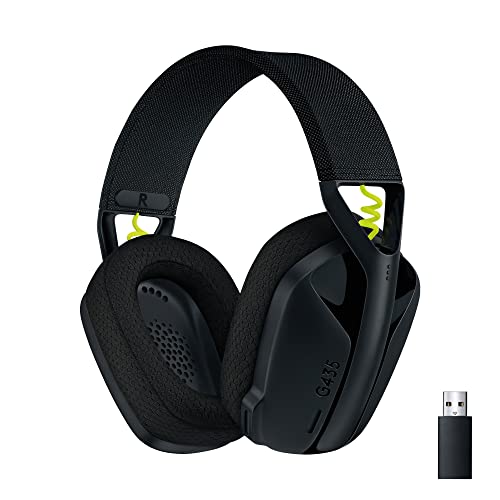
Over-ear headphones can be worn comfortably for long listening sessions. They also have good noise cancellation.
Because they are larger than earbuds, headphones over-ear can accommodate larger drivers and provide superior audio quality. They can be used to hear lower frequencies, like 4Hz and offer much higher highs than earbuds.
They're more comfortable
Ear over ear headphones are the most comfortable headphones because they protect your ears and don't place pressure on them. They are typically made from high-quality memory foam, which makes them soft, comfortable and easy to wear. Over-ear headphones offer a high degree of noise-isolation and are typically the best sounding headphones. Over-ear headphones are the most popular headphones for music lovers and musicians since they provide the most immersive audio experience.
Over-ear headphones require more space to fit in your ears than other types of headphones. Nevertheless, they can be quite portable, especially when you're using a headset that is Beats Studio3 Wireless Noise Cancelling Over Ear Headphones and doesn't require an attached cord. Furthermore, you can adjust the size of the ear cups to make them perfect for your ears. Over-ear headphones may leak more sound, so you should be aware of the surroundings when using headphones.
They offer a better soundstage, spatial imaging, and isolation from external noise than headphones that are on-ear. They also have a more pronounced bass and a wider frequency response. However, you should note that the quality of sound produced by over-ear headphones varies between brands. The size of the driver could also affect the sound quality such as frequency response and total harmonic distortion.
In addition to the comfort of the ear pads and headband, it is important to consider the length of time you'll listen to your headphones. Listening to certain frequencies for a long period of time can be exhausting. For many listeners, excessive treble can be like nails on a chalkboard.
Also, you should take into consideration the battery life and features of the headphones. The longer you listen to your headphones, the more important it is to choose the model that has a long battery life. You can select headphones with active noise cancellation, which will help to block out any unwanted noises. A good pair of over-ear cans should last you around 20 hours. However, this will vary based on the model you pick and the volume you listen to music.
They're also more portable.
If you plan to listen to music traveling, ear over ear headphones are more convenient than earbuds. This is because ear over ear headphones do not require you to put them into your ear like earbuds, and won't get covered with ear wax. They also come with a carry case to make it easy to transport.
Another benefit of ear over ear headphones is that they are more comfortable than other models. They feature ear cups that cover the entire ear, which reduces the background noise. This means you can focus on your music and won't need to boost the volume as much, which is good for your hearing. These headphones are great for listening to music when you're at work or exercising. However, they're not the best for running since the ear covers could become damp from sweat. Additionally, ear over ear headphones are less likely to break during exercise.
Your choice of headphones will be influenced by the kind of music you prefer to listen to. Stereo music audiobooks, podcasts, and over-ear headphones all sound fantastic. Over-ear headphones work best for gamers who depend on audio signals from the pinnae in their ears.
Unlike on-ear headphones, over-ear headphones have earcups with larger sizes which can accommodate larger batteries. They also have longer battery lives compared to on-ear headphones. Some headphones can last as long as 95 hours on one battery charge. This is more than twice the length of the majority of headphones that are on-ear.
Most headphones are designed to accommodate ears of average size. However when your ear is bigger than average, it could cause pain in cartilage. The reason for this is that if the force of clamping is too high or its padding is shallow it can cause excessive pressure on your ears. You can solve this problem by using a softer earpad made of velour or Neoprene.If you're looking for headphones that are sleek, light and beats Studio3 wireless noise Cancelling over ear headphones offers a fantastic listening experience, then check out the Sivga Oriole headphones. They come with 50mm drivers that provide high-quality sound and come with a cable, 3.5mm to 6.3 adapter and a hemp carry case.
They're more expensive
Over-ear headphones, also known as circumaural headphones, sit around the ear and create a seal that helps block out external noise. They tend to be bulkier and heavier than on-ear headphones, however they also provide superior audio quality and comfort. Some of them are noise-canceling. This makes them a favorite choice for commuters, business travelers and even those who travel on the road.
Over-ear headphones have bigger drivers than headphones that are on-ear. They are able to reproduce lower-frequency sounds with greater clarity and precision. This is particularly beneficial for those who enjoy genres of music that feature a lot of bass, such as electronic or hip-hop. Over-ear headphones also create an even more immersive soundstage making it feel like they're in a real recording studio or concert hall.
The cost of over-ear headphones will vary based on the features and technology included in the headphone. The cheapest models are available for as little as 50$, and are perfect for music lovers who are casual. Over-ear headphones in the mid-range range are priced at around 100dollars. They offer more comfort as well as sound quality and longevity than entry level models. The most expensive over ear headphones are specifically designed for audiophiles and come with advanced technology like adaptive noise cancelation and high-res DAC.
In-ear headphones are small and rest on your ears so they can be worn while listening to music, podcasts, or audiobooks. However they are not as portable than over ear headphones and might not work for those with large ears. In addition, in-ear headsets can cause tired ears after prolonged periods of use.
The most important factor to consider when selecting a pair of headphones is the type of media you plan to listen to. If you intend to play video games, for instance over-ear headphones are the best since they are able to isolate you from external sounds. In general, standard stereo music will work using both types of headphones. However, those who want to listen to more immersive audio like virtual reality will probably prefer over-ears.
You can do more with them
There are many options available in the field of headphones. The type of headphones you choose must be based on various aspects, such as their comfort and how much noise you can block out with them. Earbuds don't offer the same comfort as ear over-ear headphones. This is due to the fact that ear over-ears are constructed with larger earcups, which protect your ears better. This helps to prevent the ear from becoming fatigued when listening for long periods of time. Additionally, they often come with additional features like active noise cancellation and Bluetooth connectivity.
Nevertheless, deciding between ear-over-ear and on-ear headphones is also a matter of to the individual's preference. While ear over-ear headphones are the most comfortable choice for the majority of people, on-ear models may be more comfortable for some due to their looser fit.
Over-ear headphones can be used with almost any audio source. Additionally, they are superior in delivering rich and full sound. They're designed with larger earcups which can house bigger drivers to offer superior audio quality. This is the reason why over-ear headphones are typically designed for audiophiles.
While most over-ear headphones have a headband however, there are some that don't. They are also available in a variety of materials and finishes, so you can pick the one that best suits your style. No matter what the headband is you choose, it is crucial to make sure that the earcups are cushioned and have a strong clamping force. If the headphones are not tight enough, they can put pressure on the ears. If the earcups of your headphones are too tight, you will feel uncomfortable and may even get headaches if you use them for a long time.
You should also consider the features you want in your headphones. For instance, you might you want headphones with an application for mobile devices that lets you adjust your equalizer based on your listening preferences. You could also choose one that is compatible with your phone's DAC for high-quality audio.
Think about whether you would prefer to purchase wired or wireless headphones. Some manufacturers even have an in-ear microphone on their headphones so that you can use them as a hands-free device. Other things to consider are battery life, noise isolation and portability. The best headphones to use for travel are compact so that they can easily fit in your bag or backpack. They should also be light so that they won't add too much weight to your bag.