


 Multi Fuel Stoves
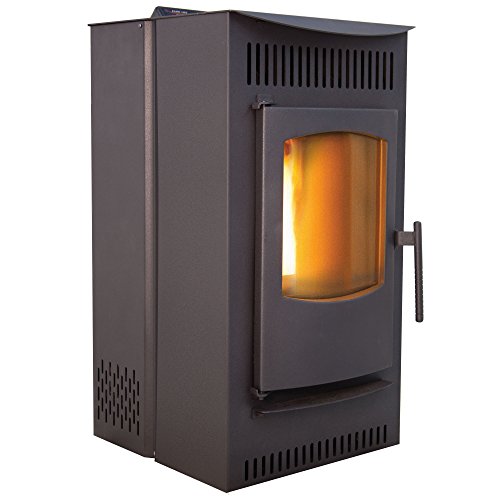
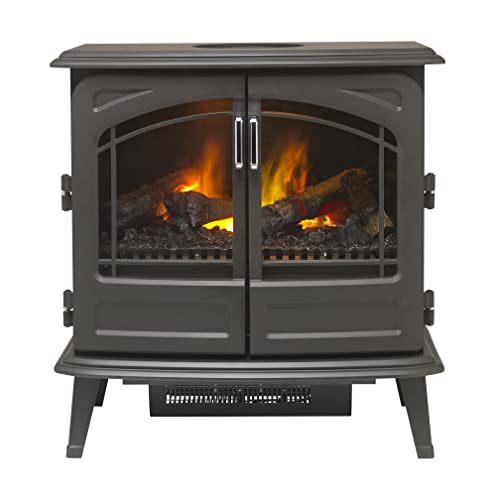 Multi fuel stoves can burn a variety of kinds of fuel, including peat, logs, turf briquettes and coal. They have vents that let the fire take air from below to aid in the combustion. They also have an built-in ash pan to collect dust and ashes.
They can burn a vast range of fuels
Multi-fuel stoves can burn different materials including coal, anthracite, peat or turf, briquettes and logs. They can also burn liquid biofuels, such as white gasoline, or Coleman fuel. Some models can even double as boilers that heats a tank that delivers hot water to the whole home.
Multi-fuel stoves are usually made of steel or cast iron and are equipped with either the metal grate or wire grates. The grate is used to add fuel and move it around. Multi-fuel stoves must be maintained regularly to avoid the build-up of ash. This is a crucial step to ensure that the stove is operating optimally and producing maximum heat. The ashes fall through an unrestricted grate and into an ash pan that is below the stove. It must be emptied often to prevent it from obstructing air flow.
The air control on a stove can be adjusted in a variety of ways. Based on the model, they can be placed either on the front or under the stove. The vent that feeds air beneath the fire can be left shut or opened while burning wood, based on the moisture content of the fuel. The vent can also be opened while burning coal as it requires a constant flow oxygen in order to burn efficiently.
The primary benefit of a multi-fuel stove is that it is able to burn a wide variety of different fuels. This means that it can be used in a variety of scenarios for use as a backup source of heat or in an emergency power cut. This is a great choice if you live in an area that has smoke control laws since it allows you to burn both smokeless and smokable fuels.
When using a multi-fuel stove ensure you are using dry, seasoned wood that has a moisture content less than 20 percent. It is also recommended to use only recommended smokeless fuels. This is because an appliance that isn't properly maintained and used can produce harmful levels of toxic gases, which could cause health problems.
They are easy to clean
Multi fuel stoves are designed to be simple to clean. They use a riddling grate which allows the waste ash to pass through into an ash pan beneath, which can be easily empty without opening the stove's door. Cleaning the ash pan and grate frequently is recommended to ensure they are in good condition. This will help prevent the buildup of ash that can impede air flow and reduce the efficiency of your stove.
It is also essential to regularly wipe down the glass of a multi-fuel stove log burner. This will help to prevent soot and Multifuel Stove creosote in the glass of the stove. It helps to view the fire. Clean the glass with a damp cloth. If you have stains that are stubborn you can use vinegar or lemon juice. This will make the glass look like new.
In addition to keeping the grate and ash pan clean, it is crucial to make sure that the wood you're burning in the stove is not too moist. Wet wood will produce more creosote than dry and result in the glass becoming coated with soot. It is recommended that you only burn seasoned and well-dried wood to reduce this problem.
Multi-fuel stoves benefit of being able to burn various fuels like peat, turf, coal, and anthracite. This is crucial, particularly in the case of living near an area that has smoke control.
Multi-fuel stoves employ controlled conditions that allows the fuel to burn more efficiently than open fireplaces. This is accomplished by reducing the amount of waste gases, allowing them attain higher temperatures. They also let fresh oxygen be introduced into the stove, which is needed to allow the secondary combustion process to function. This results in an improved fire and lower levels of pollution. To get the best results from your stove, it's recommended to burn dry seasoned wood fire stove and any additional recommended smokeless fuels in your multi-fuel stove.
They are tough
Multi-fuel stoves are long-lasting and can provide a great deal of warmth over a long amount of time. They are generally easy to use and have controls that allow you to alter the flame according to your preference. You can adjust the air intake to control the flame size and height.
These models can also lessen the environmental impact your heating system has. These models can help you to use greener fuels like wood pellets made from recycled or second-hand materials. You'll use less of the scarce, non-renewable resources of the earth. This will reduce your energy bills and also reduce emissions.
Electric stoves only work when the power is on. Multi fuel stoves, on the contrary, utilize solid fuels that are more reliable in case an outage. They are also more robust and durable than gas stoves. This makes them a good option when you live in an area that has the least natural gas infrastructure.
Multifuel stoves might not be as efficient as wood stoves but they're a great option for those living in areas that have smoke control. This is because they can burn a variety fuels, including peat or turf briquettes, coal, and anthracite. In addition, many multifuel stoves are able to be used to burn logs too.
Another benefit of a multifuel stove is its ability to keep the room warm for a long time after the fire is out. This is because they come with a metal shell which radiates warmth into the room. Furthermore, you can pick an option with a back boiler that will supply hot water for your home.
While multifuel stoves are safe and effective method of heating your home however, it is important to ensure that children are away from the flame. They can be extremely dangerous if not monitored correctly. It is recommended to place an adult-proof barrier over the stove to prevent children from touching or pulling it. To ensure proper operation, it is important to follow the instructions of the manufacturer.
They are eco-friendly
Multi-fuel stoves allow you to make use of other fuels in addition to wood logs. This makes them more environmentally friendly. They can be used in conjunction with smokeless fuels such as Eco coal Briquettes or logs. This gives you more options and will allow you to save money in the long run. Multi-fuel stoves can also be used as a boiler to heat water and connected to the central heating system. It will still create pollution, but less than the wood-burning stove.
A multi-fuel stove will mean that you'll be able burn a variety of different materials, including wood, charcoal, multifuel stove and peat. This is particularly important if you reside in an area where electricity is unreliable or there are issues with gas pipelines. The option of switching between different fuels will aid you in dealing with these problems without having to go out and find your own wood or wait for a delivery.
Choose a multifuel stove fireplace which includes an air vent on the front and underneath. This allows you to regulate the amount of air that flows into the fire. This is usually controlled by moving the handle at the top of the stove. The primary air vent is designed to supply air to the fire from above and it will then become the secondary vent when you're burning wood logs.
The air vents are beneficial for controlling the flame and stopping any embers from leaving the fire. They are also useful in reducing the emissions from the stove. A multi-fuel stove will not eliminate carbon monoxide emissions, which are poisonous. It is crucial to keep children far away from open flames and stoves, and to make sure that the space is ventilated prior refueling.
It is essential to empty the ash pan under the grill of a multi-fuel stove on a regular basis to avoid getting blocked. This is particularly important if you are burning wood burning stove small. The wood could clog up the flue, causing the stove to cease functioning properly. It is also essential to not mix different fuels together in multi-fuel stoves. This will not only cause the stove to fail and break down, but it could also damage it.