


Headphones Over the Ear - What You Need to Know
The headphones that cover your ears completely offer better noise isolation than on-ear headphones and over the ear apple Headphones usually feature superior sound quality. They typically come with modern technologies like Bluetooth chips, audio codes and large drivers (such planar magnetic ones).
They also provide better comfort for long listening sessions, and some come with active noise cancellation. They're generally more expensive than earbuds, however.
Isolation
A good wireless over ear headphones pair of headphones will shield your ears and block out external noise. This is known as acoustic isolating, which is difficult to define on paper due to the fact that manufacturers tend to make up vague numbers such as "30dB noise reduction."
Over-ear over ear headphones headphones are the best for isolation because they cover all of your ears. They are great for working or studying, as well as for commuters. They are the most comfortable as they rest on your head instead of pressing against your ears.
On-ear headphones are another popular option for audio that is isolated. These are less bulky than the over-ear ones and rest on your outer ears, but allow a little sound to leak out from the ear cups, which some find annoying. In general, they're still a great choice for those who prefer to have a more private audio, but without the bulk of over-ear headphones.
Earbuds, the smallest headphone type, sit inside your ear canal and offer a little more isolation than headphones that cover your ears. However, they're not recommended for prolonged listening sessions as they could cause hearing damage when utilized at high volumes. They're also more likely to fall out of your ears and cause distraction for some people.
Active noise cancelling headphones (ANC) utilize built-in technology to block out ambient noises, which can help with concentration and focus. The headphones function by using microphones that detect ambient sounds and then inverting the waves to create a quiet. Certain sounds, like vocals and acoustic instruments, can still be heard.
Passive noise isolation headphones don't require batteries and are generally less expensive than ANC models. They aren't as effective and may cause a hissing noise that some people find annoying. Certain brands, such as Bose and Bose, also collect the acoustic information from their headsets and share it with third party companies which some users aren't comfortable with. It's possible to hide it in long service agreements or deep within the app's permissions. Check before you buy. Other companies, such as Sony and Sennheiser do not collect data from their headsets.
Sound Quality
If you're a music lover or simply want to listen to audio content, the quality of the sound is crucial. Headphones over the ear tend to have superior sound quality than earbuds since they cover your ears more comprehensively and permit less ambient noise to enter which is great for hearing protection. They also have larger drivers, which can provide clearer and more spacious sound.
These headphones typically have padded ear cups, made of materials like memory-foam that cushions your head and ear for prolonged listening sessions. They usually come with adjustable headbands, as well as rotating or collapsible joints to make it easy to store. They can be heavier than earbuds, and therefore less portable, however they do come with collapsible bases that fold flat to transport and a carrying case to make it easier.
Many over the ear headphones are wireless and come with active noise cancellation, which makes them perfect for listening on public transportation or when you're working. However, headphones that do not have active noise cancellation could be a good choice. They are comfortable, don't put pressure on your ears too much, and don't force you to turn up the volume.
You may be able find headphones with a style or color that you like. One example is the I-MEGO Throne Gold, which features gold accents that make it stand out from the crowd. Other headphones for over-ears with unique designs include the Sivga Oriole, which have striking wooden ear cups.
Some over-ear headphones have a professional build and are designed for use in studios. They may not be as elegant and are more expensive than other kinds but they are built for serious listening and focus on the audio quality.
Over-ear headphones are usually equipped with a deep, rich bass that is tuned to give a balanced playback. Low-mids sound smooth and warm while high-mids sound crisp and clear. This lets vocals cut through the mix, and allows instruments like synths and guitars to be distinct.
Comfort
In contrast to in-ear headphones, which sit within the ear canal and limit your hearing, over-ear models fit around or over your ears. They are also more comfortable than in-ear models for long listening sessions. This is due to their ear cups are bigger, which allows for more space for cushioned padding. They also typically have a headband that rests on the top of your head, alleviating pressure on your head and ears.
Over-ear headphones may also have larger drivers because of the larger ear cups. This lets them reproduce sound with greater clarity and clarity. This is particularly true at the top and bottom where acoustic instruments such as violins and pianos can truly shine. These headphones are also more likely to feature active noise cancellation (ANC) which will reduce ambient sounds when you listen.
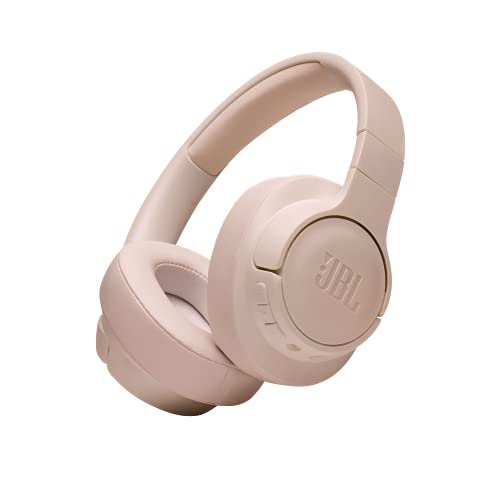 Some over ear headphones bose-ear headphones also come with an integrated microphone that allows hands-free calls. They are particularly helpful if you work in a noisy area or are on the move. Some models have touch sensors on the earcups so that you can control your music, apps and voice assistants. They're a great option for use on the move. Some models even come with built-in storage so you can fold the earphones into a compact carrying bag when not in use.
On-ear headphones that are similar in appearance to the over the ear apple headphones (updated blog post)-ear models generally regarded as the second best type of headphones for comfort and audio quality. They are slightly more portable than over-ear headset models but offer excellent sound isolation. This is particularly true when using active noise cancelling models. They're better at blocking external noises than over-ear headphones however some noise from outside will still escape through the ear cups.
On-ear headphones come with larger ear cups that can hold larger batteries. This lets them last longer than other types of headphones. This is especially the case when ANC is activated, which can reduce the playback time for many on-ear headsets by up to 50 percent. The best on-ear headphones are typically capable of lasting for more than 40 hours on one charge, which makes them the most portable and longest-lasting headphone type.
Noise Cancellation
Noise cancelling headphones block out external noises and help you concentrate on the music. There are two types: active noise cancellation and passive isolation. Active noise cancelling headphones come with special circuitry that electronically blocks external sound by detecting it and matching it to an equal and opposite frequency. Passive noise cancellation uses physical barriers, such as padding or ear cups to block out unwanted sound. Both technologies are effective at blocking distracting background noise. However active noise cancellation is more complex and costly to produce.
The ANC technology built into some headphones comes from a tiny speaker known as an electrodynamic driver or more specifically, a moving coil drive. These devices utilize a stationary magnet element, often made from ferritium or neodymium to create an electric field around a voice coil. The voice coil, which is a lightweight wire, coiled in its own is suspended within the magnetic field, and it vibrates to produce acoustic waves that transmit audio information. The vibrations created are converted into electronic signals that produce audio through the headphones' transducers.
ANC headphones usually feature ear pads with thick padding that provide a comfortable fit over ear headphones beats the ear to block out external noise. They provide a better audio separation than on-ear or in-ear headphones. However the ANC in some headphones may be hampered by inadequate design. The ear pads could leak sounds or have a limited surface area to effectively seal your ears against the sound.
Certain headphones come with some headphones with a "Transparency Mode" that allows you to hear outside sounds without switching off your music. This feature is beneficial when you want to hear what's going on around you, like announcements in a plane, or talking to someone.
 If you're looking for a low-cost pair of noise-canceling headsets, check out the Monoprice BT-600ANC. These Bluetooth headphones are priced at less than $100 and come with a built-in mic with control buttons as well as aptX support and high-quality audio codecs. They're not as effective at sound isolation as the higher-end models we tested, but they still deliver great value for your money.
The headphones that cover your ears completely offer better noise isolation than on-ear headphones and over the ear apple Headphones usually feature superior sound quality. They typically come with modern technologies like Bluetooth chips, audio codes and large drivers (such planar magnetic ones).
They also provide better comfort for long listening sessions, and some come with active noise cancellation. They're generally more expensive than earbuds, however.
Isolation
A good wireless over ear headphones pair of headphones will shield your ears and block out external noise. This is known as acoustic isolating, which is difficult to define on paper due to the fact that manufacturers tend to make up vague numbers such as "30dB noise reduction."
Over-ear over ear headphones headphones are the best for isolation because they cover all of your ears. They are great for working or studying, as well as for commuters. They are the most comfortable as they rest on your head instead of pressing against your ears.
On-ear headphones are another popular option for audio that is isolated. These are less bulky than the over-ear ones and rest on your outer ears, but allow a little sound to leak out from the ear cups, which some find annoying. In general, they're still a great choice for those who prefer to have a more private audio, but without the bulk of over-ear headphones.
Earbuds, the smallest headphone type, sit inside your ear canal and offer a little more isolation than headphones that cover your ears. However, they're not recommended for prolonged listening sessions as they could cause hearing damage when utilized at high volumes. They're also more likely to fall out of your ears and cause distraction for some people.
Active noise cancelling headphones (ANC) utilize built-in technology to block out ambient noises, which can help with concentration and focus. The headphones function by using microphones that detect ambient sounds and then inverting the waves to create a quiet. Certain sounds, like vocals and acoustic instruments, can still be heard.
Passive noise isolation headphones don't require batteries and are generally less expensive than ANC models. They aren't as effective and may cause a hissing noise that some people find annoying. Certain brands, such as Bose and Bose, also collect the acoustic information from their headsets and share it with third party companies which some users aren't comfortable with. It's possible to hide it in long service agreements or deep within the app's permissions. Check before you buy. Other companies, such as Sony and Sennheiser do not collect data from their headsets.
Sound Quality
If you're a music lover or simply want to listen to audio content, the quality of the sound is crucial. Headphones over the ear tend to have superior sound quality than earbuds since they cover your ears more comprehensively and permit less ambient noise to enter which is great for hearing protection. They also have larger drivers, which can provide clearer and more spacious sound.
These headphones typically have padded ear cups, made of materials like memory-foam that cushions your head and ear for prolonged listening sessions. They usually come with adjustable headbands, as well as rotating or collapsible joints to make it easy to store. They can be heavier than earbuds, and therefore less portable, however they do come with collapsible bases that fold flat to transport and a carrying case to make it easier.
Many over the ear headphones are wireless and come with active noise cancellation, which makes them perfect for listening on public transportation or when you're working. However, headphones that do not have active noise cancellation could be a good choice. They are comfortable, don't put pressure on your ears too much, and don't force you to turn up the volume.
You may be able find headphones with a style or color that you like. One example is the I-MEGO Throne Gold, which features gold accents that make it stand out from the crowd. Other headphones for over-ears with unique designs include the Sivga Oriole, which have striking wooden ear cups.
Some over-ear headphones have a professional build and are designed for use in studios. They may not be as elegant and are more expensive than other kinds but they are built for serious listening and focus on the audio quality.
Over-ear headphones are usually equipped with a deep, rich bass that is tuned to give a balanced playback. Low-mids sound smooth and warm while high-mids sound crisp and clear. This lets vocals cut through the mix, and allows instruments like synths and guitars to be distinct.
Comfort
In contrast to in-ear headphones, which sit within the ear canal and limit your hearing, over-ear models fit around or over your ears. They are also more comfortable than in-ear models for long listening sessions. This is due to their ear cups are bigger, which allows for more space for cushioned padding. They also typically have a headband that rests on the top of your head, alleviating pressure on your head and ears.
Over-ear headphones may also have larger drivers because of the larger ear cups. This lets them reproduce sound with greater clarity and clarity. This is particularly true at the top and bottom where acoustic instruments such as violins and pianos can truly shine. These headphones are also more likely to feature active noise cancellation (ANC) which will reduce ambient sounds when you listen.
Some over ear headphones bose-ear headphones also come with an integrated microphone that allows hands-free calls. They are particularly helpful if you work in a noisy area or are on the move. Some models have touch sensors on the earcups so that you can control your music, apps and voice assistants. They're a great option for use on the move. Some models even come with built-in storage so you can fold the earphones into a compact carrying bag when not in use.On-ear headphones that are similar in appearance to the over the ear apple headphones (updated blog post)-ear models generally regarded as the second best type of headphones for comfort and audio quality. They are slightly more portable than over-ear headset models but offer excellent sound isolation. This is particularly true when using active noise cancelling models. They're better at blocking external noises than over-ear headphones however some noise from outside will still escape through the ear cups.
On-ear headphones come with larger ear cups that can hold larger batteries. This lets them last longer than other types of headphones. This is especially the case when ANC is activated, which can reduce the playback time for many on-ear headsets by up to 50 percent. The best on-ear headphones are typically capable of lasting for more than 40 hours on one charge, which makes them the most portable and longest-lasting headphone type.
Noise Cancellation
Noise cancelling headphones block out external noises and help you concentrate on the music. There are two types: active noise cancellation and passive isolation. Active noise cancelling headphones come with special circuitry that electronically blocks external sound by detecting it and matching it to an equal and opposite frequency. Passive noise cancellation uses physical barriers, such as padding or ear cups to block out unwanted sound. Both technologies are effective at blocking distracting background noise. However active noise cancellation is more complex and costly to produce.
The ANC technology built into some headphones comes from a tiny speaker known as an electrodynamic driver or more specifically, a moving coil drive. These devices utilize a stationary magnet element, often made from ferritium or neodymium to create an electric field around a voice coil. The voice coil, which is a lightweight wire, coiled in its own is suspended within the magnetic field, and it vibrates to produce acoustic waves that transmit audio information. The vibrations created are converted into electronic signals that produce audio through the headphones' transducers.
ANC headphones usually feature ear pads with thick padding that provide a comfortable fit over ear headphones beats the ear to block out external noise. They provide a better audio separation than on-ear or in-ear headphones. However the ANC in some headphones may be hampered by inadequate design. The ear pads could leak sounds or have a limited surface area to effectively seal your ears against the sound.
Certain headphones come with some headphones with a "Transparency Mode" that allows you to hear outside sounds without switching off your music. This feature is beneficial when you want to hear what's going on around you, like announcements in a plane, or talking to someone.
If you're looking for a low-cost pair of noise-canceling headsets, check out the Monoprice BT-600ANC. These Bluetooth headphones are priced at less than $100 and come with a built-in mic with control buttons as well as aptX support and high-quality audio codecs. They're not as effective at sound isolation as the higher-end models we tested, but they still deliver great value for your money.