


Whole Bean Coffee coffeee machine Beans
If your customers are concerned about their environmental impact, they may be surprised to learn that whole bean to coffee machines coffee machines generate a lot garbage in the form of grounds.
The good news is beans have an amazing taste and, if stored in an airtight, dark container they can last for years.
1. Roasted Beans
When coffee beans are harvested for the first time, they are green in color and cannot be used to brew your morning cup until they've been roasted. Roasting is the intricate chemical process that transforms the raw coffee beans into the aromatic, delicious coffee we enjoy every morning.
There are several different types of roasts, which determine how strong and delicious the coffee that is brewed. The various roast levels are determined based on the length of time beans are roasted. They also impact the caffeine content in the beverage.
Light roasts are roasted the shortest time possible and are distinguished by their light brown color. They also lack oil on the beans. Around 350o-400o, the beans begin to steam as their internal water vapors start to release. Then, shortly after you'll hear a loud sound, referred to as the first crack. The first crack is a sign that beans are ready to brew.
During roasting, sugars are caramelized and aromatic compounds are formed. These volatile and non-volatile compounds are the reason coffee bean machine has its distinctive flavor and aroma. During this time it is crucial to not over-cook the beans because they will lose their characteristic flavor and could turn bitter. After roasting, beans can be cooled by air or water.
2. Water Temperature
When brewing coffee, temperature of the water is one of the most important factors. If it's too hot, you'll be at risk of over extraction, which will make the brew bitter; too cold and you'll end up with weak or even bitter coffee. Make sure to filter or bottle your coffee if necessary, and make sure to pre-heat your equipment prior to making the coffee.
The hotter the water, you-go.sakura.ne.jp the quicker it will dissolve the oils and flavor compounds that are present in the coffee grounds. The ideal temperature for brewing coffee is between 195 and 205 degrees Fahrenheit. This is just below boiling point. This range is a favorite choice amongst many coffee professionals around the world and works across most brewing methods.
However the precise temperature of brewing isn't always consistent because some of the heat is lost to evaporation during the brewing. This is especially applicable to manual methods, such as pour over and French press. Additionally, different brewing equipment may have different thermal mass and material, which can impact the final temperature of the brew.
In general an average, a hotter brew results in a stronger cup of coffee, but it's not always the case for all sensory characteristics. Certain studies have shown that chocolate, bitter, and [Redirect-302] roast flavors are more intense when made at higher temperatures. Other flavors, such as sour, decrease with increasing temperature.
3. Grind
The finest beans, the most perfect roast and the finest filtered water will not yield a top cup if the grind isn't done correctly. The size of the ground beans is a critical element in determining the flavor intensity, strength and extraction rates. This variable is essential to be controlled in order to experiment and achieve consistency.
The particle size of the bean to cup coffee machine reviews after it has been crushed is called the grind size. Depending on the brewing method and the type of coffee, different grind sizes are ideal. For example coarsely ground beans result in a weak cup coffee, whereas an extremely fine grind will result in a very bitter cup.
When choosing a coffee grinder it is crucial to look for models with uniform grinding to ensure the highest level of consistency. The use of a burr grinder permits this and helps to ensure that the grounds of the coffee are of an equal size. Blade grinders are inconsistant and may result in uneven coffee grounds.
People who want to make the most of their fresh espresso beans (Gorod-Lugansk.com) maker should consider buying a bean-to-cup maker that comes with a grinder and brewing unit. This will allow the beans to be brewed at the peak of their freshness and eliminate the requirement for ground coffee that has been pre-ground. The Melitta Bialetti Mypresso combines these features in an elegant and modern package. It includes a range of recipes, 8 personalised user profiles, and a smartphone app for full control. It also has two hoppers and is compatible with ground beans as well as whole beans.
4. Brew Time
If the brew time is too short this will result in underextraction. It is possible to overextrusion if brew too long. This will cause bitter compounds to sever the sweetness of sugars and flavors, and leave a sour, bitter taste in your cup.
If your coffee brewing time is excessively long, you'll lose the sweet spot for optimal extraction. This can lead to weak acidic, watery, and sour coffee. The amount of coffee grounds, the size of the grind and the method of brewing determine the best brewing time.
The best bean-tocup machines feature an excellent grinder with a variety of settings. This lets you experiment and find the perfect combination of brew time and water temperature for your preferred coffees.
The brewing process uses more energy per cup of coffee than any other stage in the supply chain. It is therefore essential to be aware of how to control the temperature of the brew to avoid waste and enhance flavor. It isn't easy to control the extraction with precision. This is due to the variation of particle sizes, the kinetics of dissolution, roasting process and equipment, characteristics of the water, etc. This study carefully varied the parameters of all these variables, and measured TDS and PE to assess how they affected the taste of the coffee. While there was some variations from brew to which could be due to channelling, the mean and standard deviations of TDS and PE were relatively small.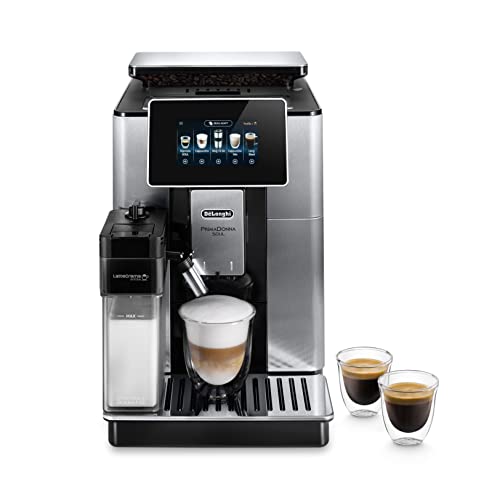
If your customers are concerned about their environmental impact, they may be surprised to learn that whole bean to coffee machines coffee machines generate a lot garbage in the form of grounds.
The good news is beans have an amazing taste and, if stored in an airtight, dark container they can last for years.
1. Roasted Beans
When coffee beans are harvested for the first time, they are green in color and cannot be used to brew your morning cup until they've been roasted. Roasting is the intricate chemical process that transforms the raw coffee beans into the aromatic, delicious coffee we enjoy every morning.
There are several different types of roasts, which determine how strong and delicious the coffee that is brewed. The various roast levels are determined based on the length of time beans are roasted. They also impact the caffeine content in the beverage.
Light roasts are roasted the shortest time possible and are distinguished by their light brown color. They also lack oil on the beans. Around 350o-400o, the beans begin to steam as their internal water vapors start to release. Then, shortly after you'll hear a loud sound, referred to as the first crack. The first crack is a sign that beans are ready to brew.
During roasting, sugars are caramelized and aromatic compounds are formed. These volatile and non-volatile compounds are the reason coffee bean machine has its distinctive flavor and aroma. During this time it is crucial to not over-cook the beans because they will lose their characteristic flavor and could turn bitter. After roasting, beans can be cooled by air or water.
2. Water Temperature
When brewing coffee, temperature of the water is one of the most important factors. If it's too hot, you'll be at risk of over extraction, which will make the brew bitter; too cold and you'll end up with weak or even bitter coffee. Make sure to filter or bottle your coffee if necessary, and make sure to pre-heat your equipment prior to making the coffee.
The hotter the water, you-go.sakura.ne.jp the quicker it will dissolve the oils and flavor compounds that are present in the coffee grounds. The ideal temperature for brewing coffee is between 195 and 205 degrees Fahrenheit. This is just below boiling point. This range is a favorite choice amongst many coffee professionals around the world and works across most brewing methods.
However the precise temperature of brewing isn't always consistent because some of the heat is lost to evaporation during the brewing. This is especially applicable to manual methods, such as pour over and French press. Additionally, different brewing equipment may have different thermal mass and material, which can impact the final temperature of the brew.
In general an average, a hotter brew results in a stronger cup of coffee, but it's not always the case for all sensory characteristics. Certain studies have shown that chocolate, bitter, and [Redirect-302] roast flavors are more intense when made at higher temperatures. Other flavors, such as sour, decrease with increasing temperature.
3. Grind
The finest beans, the most perfect roast and the finest filtered water will not yield a top cup if the grind isn't done correctly. The size of the ground beans is a critical element in determining the flavor intensity, strength and extraction rates. This variable is essential to be controlled in order to experiment and achieve consistency.
The particle size of the bean to cup coffee machine reviews after it has been crushed is called the grind size. Depending on the brewing method and the type of coffee, different grind sizes are ideal. For example coarsely ground beans result in a weak cup coffee, whereas an extremely fine grind will result in a very bitter cup.
When choosing a coffee grinder it is crucial to look for models with uniform grinding to ensure the highest level of consistency. The use of a burr grinder permits this and helps to ensure that the grounds of the coffee are of an equal size. Blade grinders are inconsistant and may result in uneven coffee grounds.
People who want to make the most of their fresh espresso beans (Gorod-Lugansk.com) maker should consider buying a bean-to-cup maker that comes with a grinder and brewing unit. This will allow the beans to be brewed at the peak of their freshness and eliminate the requirement for ground coffee that has been pre-ground. The Melitta Bialetti Mypresso combines these features in an elegant and modern package. It includes a range of recipes, 8 personalised user profiles, and a smartphone app for full control. It also has two hoppers and is compatible with ground beans as well as whole beans.
4. Brew Time
If the brew time is too short this will result in underextraction. It is possible to overextrusion if brew too long. This will cause bitter compounds to sever the sweetness of sugars and flavors, and leave a sour, bitter taste in your cup.
If your coffee brewing time is excessively long, you'll lose the sweet spot for optimal extraction. This can lead to weak acidic, watery, and sour coffee. The amount of coffee grounds, the size of the grind and the method of brewing determine the best brewing time.
The best bean-tocup machines feature an excellent grinder with a variety of settings. This lets you experiment and find the perfect combination of brew time and water temperature for your preferred coffees.
The brewing process uses more energy per cup of coffee than any other stage in the supply chain. It is therefore essential to be aware of how to control the temperature of the brew to avoid waste and enhance flavor. It isn't easy to control the extraction with precision. This is due to the variation of particle sizes, the kinetics of dissolution, roasting process and equipment, characteristics of the water, etc. This study carefully varied the parameters of all these variables, and measured TDS and PE to assess how they affected the taste of the coffee. While there was some variations from brew to which could be due to channelling, the mean and standard deviations of TDS and PE were relatively small.