


Coffee Machine Pods - Are They Good For the Environment?
filtered coffee machine pods (also known as capsules) are single-portion doses of coffee. They contain a coffee-powder which is contained in a protective case made of polycarbonate or aluminum.
Contrary to bean-to-cup machines and pod coffee makers require very minimal maintenance and cleaning. However, the water reservoir and the brewing mechanism must be rinsed and Bean To Cup Coffee Machine descaled regularly.
Freshness
Pod coffee machines are popular with those who prioritize convenience over taste, but they still cannot compete with freshly roasted, ground beans. While many manufacturers follow strict guidelines to ensure the quality of their pods, some do not. This is especially true with preground coffee which loses its freshness after it has been pressed into a pod and sealed. The coffee is often years past its best-before date and can affect the flavor and aroma of a cup of coffee.
Apart from the quality of the preground coffee, another important consideration is the freshness of the pod itself. The pods are made of a paper-like substance, which makes them easy to break down when thrown away. This makes them a safe option for those concerned about the impact of their actions on the environment. Additionally, the paper material is biodegradable, so you won't have to worry about your waste ending up in a landfill.
Coffee pods come in different sizes and are compatible with a variety of coffee machines. The most common kinds are K-Cups (K-Cups), Nespresso capsules, and Easy Serving Espresso pods (E.S.E). Each is distinct and is compatible with a variety of brewers. However, it is essential to understand the differences between these varieties prior to making a purchase.
Some pods are made from more environmentally friendly materials, like hemp or bamboo. They are typically smaller than conventional coffee bags and have a round shape to fit into pod coffee machines. They can also be reused multiple times before they need to be replaced. These pods offer a great alternative to single-use cartridges for filtering.
Pods are also more convenient than whole bean coffee since they're more convenient to store and use. Pods are sealed hermetically that reduces moisture and mold risk. They don't require any additional equipment or storage space. Nevertheless they should be stored in a dry, cool place to maintain their flavor and consistency. Furthermore, the majority of pods have an expiration date, which helps you avoid buying expired or bean to cup coffee machine old products. However, if you're unsure certain whether a pod you've found is still in good condition look up its best-by date or the label that was included with it.
Convenience
Using pods allows you to have your favorite coffee every time, without needing to grind and make your own coffee. This can save you time and gives you the convenience of having your drink ready in minutes. Pods can make your cup of coffee taste better than ground beans because they are packed in nitrogen flushed, flexible packaging that helps keep the flavors and aromas longer.
It is crucial to keep in mind that the quality of your cup depends on the quality of your coffee machine. It is crucial to choose one that can make an excellent cup of coffee that can handle various types of beverages. Certain models require regular cleaning and descaling of the water reservoir. Bean-to-cup machines can also be susceptible to this problem, but they don't require the same maintenance as pod machines.
Many people buy a pod coffee machine to save the hassle of grinding and brewing coffee grounds by themselves. Pods are convenient, but they don't have the same variety and complexity of bean-to-cup coffee machines. Beans come in a variety and are made in hundreds, possibly thousands of ways. This is the foundation for the multitude of coffees available. The amount of coffee contained in pods is also limited, which means that one serving won't be as large as a typical cup of coffee prepared with grounds of coffee.
In addition, the plastic used in making pods is harmful to the environment. This is one reason some people are wary of using pods. There are alternatives that can be compostable and recyclable for those who wish to minimize their environmental impact.
It is crucial to select a place where you can keep your pods. You can store your pods in a drawer, or a container for coffee pods. Keep a pair of kitchen shears close to you for cutting off the top of the pod and dumping the contents into your coffee machine's filter.
Cost
In an age where people are eco-conscious and conscious of the environment, any method of making coffee that reduces waste is welcome. Coffee pods are becoming more popular. Coffee capsules, also referred to as pods, are single-portion amount of coffee powder sealed inside a paper casing. They can be used with any coffee maker that accepts capsules with an open system (such as those from Nespresso and Nescafe Dolce Gusto). Each standard pod contains approximately 7g of ground beans. They are also simple to tear down after you've finished using them which makes them a great option for those looking to reduce their carbon footprint.
There are a variety of pods that are available on the market, with the most common being K-Cup, Nespresso capsule, and ESE (Easy Serving Espresso). Before you purchase a pod ensure that your sage coffee machine maker is compatible with the kind you want. The wrong type of pod can cause frustration, waste, and possibly damage to the machine.
The pod machines vary in price and features and are therefore worth weighing your priorities when selecting one. Some include milk frothers, while others offer only a selection of sizes for drinks. You may want to also take into consideration the amount of counter space you have, as this will determine which coffee maker you purchase.
The most affordable pod machine is the Nescafe Dolce Gusto Y3 which is priced at $55. This offers a simple way to make a cup of coffee, simply lift the top flap to eject the capsule you have used up, chuck in a new one and press a button to make either a large or small cup.
It's worth remembering that while pod machines are typically cheaper to buy than bean to cup coffee machine (see page)-to-cup models, they can be more expensive in the long run, especially if you use lots of pods. This is because pods themselves can be quite expensive and bags of beans cost considerably less. In addition, a bean to cup machine is less difficult to maintain than a pod-based machine, so it's important to weigh the advantages and disadvantages of each before choosing the best option for you.
Environment
The coffee pods that are used in many single-serve coffee machines have been for a long time criticized as environmentally unfriendly. But new research suggests that they may actually be better for the environment than traditional filter coffee makers. The study looked at greenhouse gas emissions from four different methods of brewing coffee: French press coffee, instant coffee filter coffee, instant coffee, and a capsule. The results were unexpected and could have changed the way you think about these single-use pods.
Researchers found that a cup of coffee made using the traditional filter machine emits 1.5 times more greenhouse gasses than a coffee cup made using a single-serving caplet. These findings were based on the total amount of water, coffee and electricity needed to make the cup of coffee. However, the authors also note that the impact on the environment of these products is contingent on other aspects, such as their production and disposal. This is because these products consume a lot of energy to manufacture, shipping and storing.
In addition to the greenhouse gases that result from the production of coffee and pods, they also create lots of waste. This is especially so if the products aren't recycled and that's why it's important to buy sustainable coffee pods that can be reused.
The majority of pods, unlike ground coffee that is packaged in plastic bags that have paper linings that are not recyclable, are made from recyclable materials such as aluminum and plastic. Some manufacturers offer coffee pods that can be composted, meaning they can decompose naturally in a bin at home.
These disposable coffee pods are also a problem because they do not save the energy or water that a normal filter machine does. This is a major issue for sustainability. They can also add more sugar to the coffee, which isn't healthy for you.
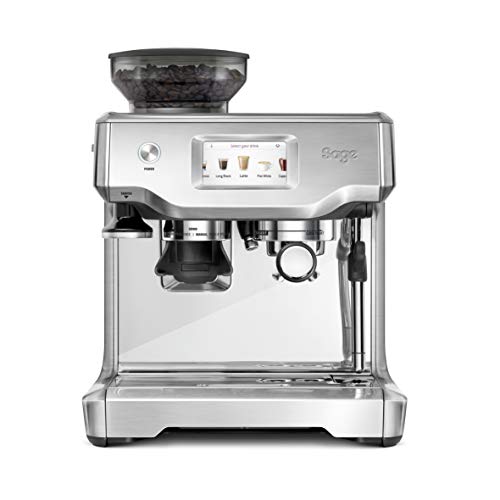 It's important to use environmentally sustainable coffee pods. However, it's equally important to think about the bigger picture in terms of climate change. The stories in the media about coffee pods often sidetrack the conversation about the real sources of planet-heating emissions. It is crucial to remain focused on what really matters - ending the necessity for coal and oil to power our homes and businesses.
filtered coffee machine pods (also known as capsules) are single-portion doses of coffee. They contain a coffee-powder which is contained in a protective case made of polycarbonate or aluminum.
Contrary to bean-to-cup machines and pod coffee makers require very minimal maintenance and cleaning. However, the water reservoir and the brewing mechanism must be rinsed and Bean To Cup Coffee Machine descaled regularly.
Freshness
Pod coffee machines are popular with those who prioritize convenience over taste, but they still cannot compete with freshly roasted, ground beans. While many manufacturers follow strict guidelines to ensure the quality of their pods, some do not. This is especially true with preground coffee which loses its freshness after it has been pressed into a pod and sealed. The coffee is often years past its best-before date and can affect the flavor and aroma of a cup of coffee.
Apart from the quality of the preground coffee, another important consideration is the freshness of the pod itself. The pods are made of a paper-like substance, which makes them easy to break down when thrown away. This makes them a safe option for those concerned about the impact of their actions on the environment. Additionally, the paper material is biodegradable, so you won't have to worry about your waste ending up in a landfill.
Coffee pods come in different sizes and are compatible with a variety of coffee machines. The most common kinds are K-Cups (K-Cups), Nespresso capsules, and Easy Serving Espresso pods (E.S.E). Each is distinct and is compatible with a variety of brewers. However, it is essential to understand the differences between these varieties prior to making a purchase.
Some pods are made from more environmentally friendly materials, like hemp or bamboo. They are typically smaller than conventional coffee bags and have a round shape to fit into pod coffee machines. They can also be reused multiple times before they need to be replaced. These pods offer a great alternative to single-use cartridges for filtering.
Pods are also more convenient than whole bean coffee since they're more convenient to store and use. Pods are sealed hermetically that reduces moisture and mold risk. They don't require any additional equipment or storage space. Nevertheless they should be stored in a dry, cool place to maintain their flavor and consistency. Furthermore, the majority of pods have an expiration date, which helps you avoid buying expired or bean to cup coffee machine old products. However, if you're unsure certain whether a pod you've found is still in good condition look up its best-by date or the label that was included with it.
Convenience
Using pods allows you to have your favorite coffee every time, without needing to grind and make your own coffee. This can save you time and gives you the convenience of having your drink ready in minutes. Pods can make your cup of coffee taste better than ground beans because they are packed in nitrogen flushed, flexible packaging that helps keep the flavors and aromas longer.
It is crucial to keep in mind that the quality of your cup depends on the quality of your coffee machine. It is crucial to choose one that can make an excellent cup of coffee that can handle various types of beverages. Certain models require regular cleaning and descaling of the water reservoir. Bean-to-cup machines can also be susceptible to this problem, but they don't require the same maintenance as pod machines.
Many people buy a pod coffee machine to save the hassle of grinding and brewing coffee grounds by themselves. Pods are convenient, but they don't have the same variety and complexity of bean-to-cup coffee machines. Beans come in a variety and are made in hundreds, possibly thousands of ways. This is the foundation for the multitude of coffees available. The amount of coffee contained in pods is also limited, which means that one serving won't be as large as a typical cup of coffee prepared with grounds of coffee.
In addition, the plastic used in making pods is harmful to the environment. This is one reason some people are wary of using pods. There are alternatives that can be compostable and recyclable for those who wish to minimize their environmental impact.
It is crucial to select a place where you can keep your pods. You can store your pods in a drawer, or a container for coffee pods. Keep a pair of kitchen shears close to you for cutting off the top of the pod and dumping the contents into your coffee machine's filter.
Cost
In an age where people are eco-conscious and conscious of the environment, any method of making coffee that reduces waste is welcome. Coffee pods are becoming more popular. Coffee capsules, also referred to as pods, are single-portion amount of coffee powder sealed inside a paper casing. They can be used with any coffee maker that accepts capsules with an open system (such as those from Nespresso and Nescafe Dolce Gusto). Each standard pod contains approximately 7g of ground beans. They are also simple to tear down after you've finished using them which makes them a great option for those looking to reduce their carbon footprint.
There are a variety of pods that are available on the market, with the most common being K-Cup, Nespresso capsule, and ESE (Easy Serving Espresso). Before you purchase a pod ensure that your sage coffee machine maker is compatible with the kind you want. The wrong type of pod can cause frustration, waste, and possibly damage to the machine.
The pod machines vary in price and features and are therefore worth weighing your priorities when selecting one. Some include milk frothers, while others offer only a selection of sizes for drinks. You may want to also take into consideration the amount of counter space you have, as this will determine which coffee maker you purchase.
The most affordable pod machine is the Nescafe Dolce Gusto Y3 which is priced at $55. This offers a simple way to make a cup of coffee, simply lift the top flap to eject the capsule you have used up, chuck in a new one and press a button to make either a large or small cup.
It's worth remembering that while pod machines are typically cheaper to buy than bean to cup coffee machine (see page)-to-cup models, they can be more expensive in the long run, especially if you use lots of pods. This is because pods themselves can be quite expensive and bags of beans cost considerably less. In addition, a bean to cup machine is less difficult to maintain than a pod-based machine, so it's important to weigh the advantages and disadvantages of each before choosing the best option for you.
Environment
The coffee pods that are used in many single-serve coffee machines have been for a long time criticized as environmentally unfriendly. But new research suggests that they may actually be better for the environment than traditional filter coffee makers. The study looked at greenhouse gas emissions from four different methods of brewing coffee: French press coffee, instant coffee filter coffee, instant coffee, and a capsule. The results were unexpected and could have changed the way you think about these single-use pods.
Researchers found that a cup of coffee made using the traditional filter machine emits 1.5 times more greenhouse gasses than a coffee cup made using a single-serving caplet. These findings were based on the total amount of water, coffee and electricity needed to make the cup of coffee. However, the authors also note that the impact on the environment of these products is contingent on other aspects, such as their production and disposal. This is because these products consume a lot of energy to manufacture, shipping and storing.
In addition to the greenhouse gases that result from the production of coffee and pods, they also create lots of waste. This is especially so if the products aren't recycled and that's why it's important to buy sustainable coffee pods that can be reused.
The majority of pods, unlike ground coffee that is packaged in plastic bags that have paper linings that are not recyclable, are made from recyclable materials such as aluminum and plastic. Some manufacturers offer coffee pods that can be composted, meaning they can decompose naturally in a bin at home.
These disposable coffee pods are also a problem because they do not save the energy or water that a normal filter machine does. This is a major issue for sustainability. They can also add more sugar to the coffee, which isn't healthy for you.
It's important to use environmentally sustainable coffee pods. However, it's equally important to think about the bigger picture in terms of climate change. The stories in the media about coffee pods often sidetrack the conversation about the real sources of planet-heating emissions. It is crucial to remain focused on what really matters - ending the necessity for coal and oil to power our homes and businesses.