


 4 Things You Can Try Before Calling a Locksmith
If your lock isn't working as it should, [Redirect-302] it may need repair or door panels fitters (unsplash.com) even replacement. Fortunately, there are some things you can try before calling a locksmith.
Dirt and dust can accumulate in a lock which makes it difficult to turn. Using a graphite spay or silicone lubricant inside the keyhole can help.
Locked Door Knob or Handle
Over time knobs and handles for doors could become loose. This is especially the case if they are used regularly. This can cause the handle knob to move or pull away from the door when people attempt to open it. The good news is that fixing this problem typically involves tightening screws. This is a manageable project that anyone can tackle even without any knowledge or tools.
There are a variety of reasons why a doorknob handle might come loose, but they all have one thing in common: wear and age. Over time, the tiny screws that hold the mechanism in place may loosen when you open and close the door. It is essential to have your patio doors (please click the following website) inspected and serviced regularly in order to minimize the chance of.
A lot of modern doors have knobs that slip over a cylindrical spindle which is mounted to the door as part of the latch assembly. These types of knobs have hidden screws that are hidden behind the faceplate to fix them to the spindle. You'll have to remove the ring from the knob in order to reveal the screws. Make sure to remove the ring with a flathead screwdriver, taking care not to damage the backing plate. After the ring is removed it is possible to tighten the exposed screws with an ordinary screwdriver.
Certain older doors have knobs that are secured to the spindle using a detent mechanism, which keeps the knob in place without the need for visible screws. If this is the case with your door you should look for a small hole on the knob's faceplate and find a spring-activated pin that extends out. The pin is attached to a lever that is located on the inside of the door. You'll need a screwdriver to depress the lever to reveal the screwscrew.
If your door fitter has set screws instead of detent pins, you'll need an Allen key to loosen them before removing the knob from the spindle. Once the knob has been removed, you can loosen or tighten the set screw with a screwdriver.
Dirty Keyway
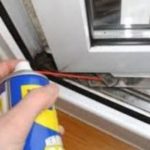
The components that make up locks require a tiny amount of oil in order to move smoothly, however, the oil could dry up or be mixed with dirt. The key and lock mechanism may become stuck and make it difficult to take it off. Spraying the lock with lubricant or applying graphite powder will help to release them. WD-40 works well in the absence of any other lubricant to use, but this liquid lubricant can trap dirt and leave a sticky behind a residue inside the lock, so you should be prepared to regularly spray it over and over.
If the key is stuck, try wriggling it into and out of the lock. This will let the lock loosen enough for you to be able to pull the key out with some effort. It may also help remove the dirt from the lock. If you can't grasp the key, use needle-nose pliers to hold the end of the key and then wiggle it. Don't apply excessive pressure, as it could cause the key to break or bend.
If the lock is brand new and the key still won't go in or come out easily, it could have rough spots at its tip that need to be filed off. Put the key in an incense burner to cover it with soot, and then place it on the edge of a file to smooth the sharp edges. A rotary file is perfect for this, however a hacksaw can also work even if you don't own an Rotary file. If the key is too stiff to turn or remove, contact a locksmith for assistance. A professional can make sure that all the components are correctly aligned, lubricated, and ready to accept a proper key.
Poorly cut keys
When you visit a locksmith to get your key copied, it's usually done quickly and easily, but there are a few ways that duplicates could be mis-cut which means they will not fit or function in the lock. This could be due to some things, such as the original key getting worn down, or even worse when it was used to try and pick your lock, and the locksmith not being able to precisely cut the new key.
This issue can be swiftly solved by shaking the key inside the lock while trying to turn it. This will cause the pins of the key to rise above the cut and allow the key to be turned. You can also employ graphite powder or spray to coat the key and insert it into the lock. This will act as a lubricant that will aid in removing the lock tumblers from jams.
It is possible that you took the wrong key to a locksmith, and they copied it. It is easy to confuse keys due to them being so similar. If you suspect that you may have done this, lay your key next to the one that you copied.
You can also make a key copy yourself using small files or lighter, a cigarette or lighter lighter, clear packing tape and tracing material (like old credit cards). They will be able to confirm that they're cutting the right blank. Alternatively, you can also duplicate a key yourself with an incredibly small file with a lighter or windows And doors; source web page, lighter, clear packing tape and an item to trace your key (like old credit cards) Ideally, you'll need to use a Pippin or Dremel file, but with a bit of improvising most small files will work.
Lincoln Lock & Safe is the place to go if your key isn't unlocking your door. We can fix your lock or replace the lock cylinder fast so that you can gain access to your home. We provide competitive rates and are accessible 24/7 to take your call.