


Stove Wood Burning
The majority of modern stoves have a passive air supply which means that the operation of the stove is partly dependent on the user (you). It is also dependent on the building in which the fireplace or wood burning stove insert is situated.
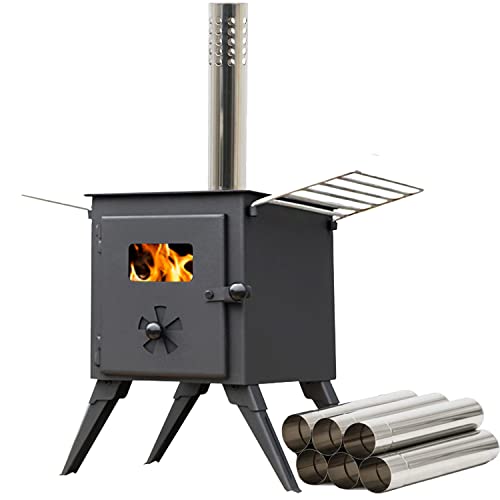 Burn logs that have been kiln dried or well-seasoned. They are drier and burn more efficiently which reduces the amount of smoke and poisons.
Radiant Heat
Stove wood burning is a fantastic method to generate radiant heat to your home. Stoves can produce up to 80% more radiant heat than traditional fire places. They also emit less smoke and fewer airborne pollution than open fires. This makes them much greener than other types of heating. Stoves emit radiant heat but they also emit a large amount of hot embers, which can be used to warm hands and feet.
A wood stove is a solid-fuel stove which burns either logs or wood pellets for fuel. The wood stove is generally comprised of a steel firebox with an air control system. Modern wood stoves generally use secondary combustion to boost efficiency. This process uses catalytic converters to reburn gasses that have been partially burned in the flue stream. The combustion process also reduces smoke levels as well as air pollution from the stove by reducing temperature at which the fuel is burned. The result is a higher energy yield and less ash after each use.
Multi-fuel stoves can also burn gas and oil as well as electric wood stove. They are less efficient than stoves that are designed to burn a specific fuel as efficiently and effectively as is possible.
All wood-burning appliances release creosote as they burn. Creosote is a dangerous substance which may accumulate in the flue if it is not burned properly. This issue can be easily prevented by using modern high-flue standards stoves. Avoiding certain kinds of wood (such as oak) that are more difficult to burn, and scheduling regular inspections and chimney cleanings will also aid.
Some wood stoves have an element that allows the user to reburn part of the wood they've burned by reducing the temperature of combustion to a lower temperature. This process, known as catalytic burning, has been demonstrated to improve the efficiency of fuel of wooden stoves. It is a great way to comply with EPA requirements for smoke emissions without having to install expensive and complicated secondary combustion systems.
Convenience
Wood stoves are an excellent option for heating your home. They are effective heaters that are simple to operate and economical. They produce less carbon dioxide compared to oil and gas stoves. These stoves are perfect for those who want to cut their energy costs or live "off the grid". The wood used as fuel can be obtained locally, which can have a positive impact on woodland management and wildlife.
Modern stoves are modern and are designed to increase efficiency and burn logs more efficiently and reduce the amount of ash that is produced. This means you will get more heat from less wood. Some stoves have even been evaluated based on their environmental impact, which is an important factor when choosing your stove.
It is always best to choose wood that has been seasoned since it burns more efficiently and produces less Ash. You should look for the Woodsure Ready to Burn label when buying your wood. The more well-seasoned your firewood is, the less fuel you'll require and the longer it will last.
There are different kinds of wood stoves that are available on the market, including pellet stoves and traditional wood stoves. Pellet stoves are made from recycled paper and wood products which have been compressed into a compact pellet. They can be used to fuel wood burning stoves, and offer more BTUs (heating units per pound) than traditional wood burning stoves. Pellet stoves can be a great option for people who want to reduce their energy bills, or are located in an area where homeowners associations do not permit large quantities of wood to be stored outside.
The warmth and the comfort of a wood-burning stove can't be rivaled by any other kind of heater. The crackling of the flames the soothing sound of logs spluttering and the glow of the warm embers give an atmosphere of comfort that makes your living room or bedroom feel like a relaxing retreat. Studies have shown that the warmth generated by a fire aids in reducing blood pressure and stress levels.
Efficient
Wood stoves must operate at an efficient combustion rate to generate heat. The fire must be kept hot at a minimum of 600degC (1,100degF), or it will smolder more than burn, creating pollutions like creosote, and lessening the effectiveness of the system. Stoves that make use of dry, seasoned wood and are properly operated will reduce emissions and creosote.
Modern wood stoves incorporate various gadgets to improve efficiency and decrease harmful emissions. For instance, a lot of stoves come with a secondary combustion chamber that re-burns the gases and particulates that escape from the firebox before they reach the chimney. This secondary combustor also reduces the temperature of exhaust gasses, resulting in cleaner air and higher energy efficiency.
Other wood stoves employ shelves or baffles for pre-heated combustion in the air that is above the fire, and to provide oxygen to the volatile gases that escape the flames. These modern combustion stoves are the most efficient wood-burning stoves, and can exceed EPA emission standards. Some stoves even feature thermo-white electric stove generators that convert heat to electricity, allowing the stove to run even during power outages.
The majority of older wood burning stove fan stoves are 50% efficient, which means that half the energy from the fire is lost in smoke. Newer models, however, have efficiency levels of up to 82 percent, which helps reduce waste and fuel consumption while generating more heat. Most stoves with high efficiencies come with an EPA certification sticker on them, and many of these wood stoves utilize a catalytic combustor to clean the combustion gases and reduce emissions.
A stove that is frequently used, in an open fireplace or Homepage with a vent requires regular maintenance to ensure that the fire is hot and the flue drafting correctly. If a stove is placed in a fireplace that is open it is essential that the chimney is regularly cleaned of creosote and soot. If the multifuel stove is connected to a venting system that uses single-layer pipe, it's a good idea to replace it with double-layer pipe with 1 inch of airspace between the layers.
Safety
A stove that burns wood works by generating heat from burning combustible material. When properly used, this type of heating source is extremely efficient. This type of system has some safety concerns which need to be addressed, as well as regular maintenance in order to get the best performance.
Unsafe use of a wood burning stove could result in carbon monoxide poisoning or other fire dangers. To reduce the risks the white electric stove must be kept free of combustible objects, including curtains, pillows and other decorative items. In addition, the flue damper must always be opened while the stove is in use. Avoid using gasoline, kerosene, or charcoal lighter fluid to start a fire. These products can emit toxic fumes that can be harmful to people.
Creosote is another safety concern. This harmful residue could build up on the chimney's interior and restrict airflow. This problem can be prevented by using only dry, seasoned wood that burns quickly and lightly. Also, a chimney sweep must be hired to clean the flue and chimney each year.
Other safety measures include maintaining an area that is child-proof around the fireplace, and making sure that children know that it's risky to touch the flames of a fireplace or stove. A gate can help keep children from getting close to the flame, and a smoke detector that is installed in the home will alert residents to the dangers that could be present. Families should also develop an escape plan that includes two escape routes from each room in case of an emergency. It is important to create an inventory of your home which will allow you to verify the items lost in a house fire. This is essential to protect yourself from loss. This will give the owners peace of mind and a feeling of security that they've taken the proper precautions to avoid loss. They can also focus on maintaining and repairing their stove. It will be more energy efficient and comfortable in the near future. This could also save owners a lot of money and time in the long term.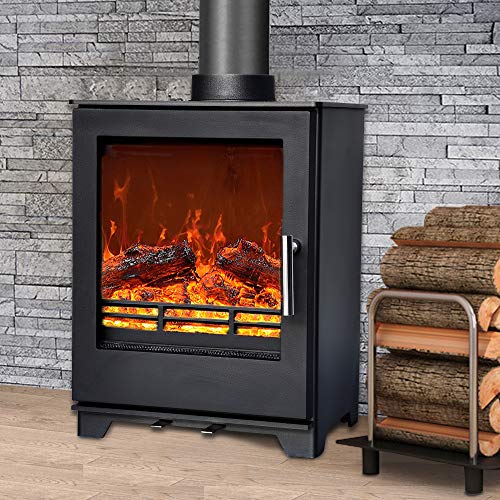
The majority of modern stoves have a passive air supply which means that the operation of the stove is partly dependent on the user (you). It is also dependent on the building in which the fireplace or wood burning stove insert is situated.
Burn logs that have been kiln dried or well-seasoned. They are drier and burn more efficiently which reduces the amount of smoke and poisons.Radiant Heat
Stove wood burning is a fantastic method to generate radiant heat to your home. Stoves can produce up to 80% more radiant heat than traditional fire places. They also emit less smoke and fewer airborne pollution than open fires. This makes them much greener than other types of heating. Stoves emit radiant heat but they also emit a large amount of hot embers, which can be used to warm hands and feet.
A wood stove is a solid-fuel stove which burns either logs or wood pellets for fuel. The wood stove is generally comprised of a steel firebox with an air control system. Modern wood stoves generally use secondary combustion to boost efficiency. This process uses catalytic converters to reburn gasses that have been partially burned in the flue stream. The combustion process also reduces smoke levels as well as air pollution from the stove by reducing temperature at which the fuel is burned. The result is a higher energy yield and less ash after each use.
Multi-fuel stoves can also burn gas and oil as well as electric wood stove. They are less efficient than stoves that are designed to burn a specific fuel as efficiently and effectively as is possible.
All wood-burning appliances release creosote as they burn. Creosote is a dangerous substance which may accumulate in the flue if it is not burned properly. This issue can be easily prevented by using modern high-flue standards stoves. Avoiding certain kinds of wood (such as oak) that are more difficult to burn, and scheduling regular inspections and chimney cleanings will also aid.
Some wood stoves have an element that allows the user to reburn part of the wood they've burned by reducing the temperature of combustion to a lower temperature. This process, known as catalytic burning, has been demonstrated to improve the efficiency of fuel of wooden stoves. It is a great way to comply with EPA requirements for smoke emissions without having to install expensive and complicated secondary combustion systems.
Convenience
Wood stoves are an excellent option for heating your home. They are effective heaters that are simple to operate and economical. They produce less carbon dioxide compared to oil and gas stoves. These stoves are perfect for those who want to cut their energy costs or live "off the grid". The wood used as fuel can be obtained locally, which can have a positive impact on woodland management and wildlife.
Modern stoves are modern and are designed to increase efficiency and burn logs more efficiently and reduce the amount of ash that is produced. This means you will get more heat from less wood. Some stoves have even been evaluated based on their environmental impact, which is an important factor when choosing your stove.
It is always best to choose wood that has been seasoned since it burns more efficiently and produces less Ash. You should look for the Woodsure Ready to Burn label when buying your wood. The more well-seasoned your firewood is, the less fuel you'll require and the longer it will last.
There are different kinds of wood stoves that are available on the market, including pellet stoves and traditional wood stoves. Pellet stoves are made from recycled paper and wood products which have been compressed into a compact pellet. They can be used to fuel wood burning stoves, and offer more BTUs (heating units per pound) than traditional wood burning stoves. Pellet stoves can be a great option for people who want to reduce their energy bills, or are located in an area where homeowners associations do not permit large quantities of wood to be stored outside.
The warmth and the comfort of a wood-burning stove can't be rivaled by any other kind of heater. The crackling of the flames the soothing sound of logs spluttering and the glow of the warm embers give an atmosphere of comfort that makes your living room or bedroom feel like a relaxing retreat. Studies have shown that the warmth generated by a fire aids in reducing blood pressure and stress levels.
Efficient
Wood stoves must operate at an efficient combustion rate to generate heat. The fire must be kept hot at a minimum of 600degC (1,100degF), or it will smolder more than burn, creating pollutions like creosote, and lessening the effectiveness of the system. Stoves that make use of dry, seasoned wood and are properly operated will reduce emissions and creosote.
Modern wood stoves incorporate various gadgets to improve efficiency and decrease harmful emissions. For instance, a lot of stoves come with a secondary combustion chamber that re-burns the gases and particulates that escape from the firebox before they reach the chimney. This secondary combustor also reduces the temperature of exhaust gasses, resulting in cleaner air and higher energy efficiency.
Other wood stoves employ shelves or baffles for pre-heated combustion in the air that is above the fire, and to provide oxygen to the volatile gases that escape the flames. These modern combustion stoves are the most efficient wood-burning stoves, and can exceed EPA emission standards. Some stoves even feature thermo-white electric stove generators that convert heat to electricity, allowing the stove to run even during power outages.
The majority of older wood burning stove fan stoves are 50% efficient, which means that half the energy from the fire is lost in smoke. Newer models, however, have efficiency levels of up to 82 percent, which helps reduce waste and fuel consumption while generating more heat. Most stoves with high efficiencies come with an EPA certification sticker on them, and many of these wood stoves utilize a catalytic combustor to clean the combustion gases and reduce emissions.
A stove that is frequently used, in an open fireplace or Homepage with a vent requires regular maintenance to ensure that the fire is hot and the flue drafting correctly. If a stove is placed in a fireplace that is open it is essential that the chimney is regularly cleaned of creosote and soot. If the multifuel stove is connected to a venting system that uses single-layer pipe, it's a good idea to replace it with double-layer pipe with 1 inch of airspace between the layers.
Safety
A stove that burns wood works by generating heat from burning combustible material. When properly used, this type of heating source is extremely efficient. This type of system has some safety concerns which need to be addressed, as well as regular maintenance in order to get the best performance.
Unsafe use of a wood burning stove could result in carbon monoxide poisoning or other fire dangers. To reduce the risks the white electric stove must be kept free of combustible objects, including curtains, pillows and other decorative items. In addition, the flue damper must always be opened while the stove is in use. Avoid using gasoline, kerosene, or charcoal lighter fluid to start a fire. These products can emit toxic fumes that can be harmful to people.
Creosote is another safety concern. This harmful residue could build up on the chimney's interior and restrict airflow. This problem can be prevented by using only dry, seasoned wood that burns quickly and lightly. Also, a chimney sweep must be hired to clean the flue and chimney each year.
Other safety measures include maintaining an area that is child-proof around the fireplace, and making sure that children know that it's risky to touch the flames of a fireplace or stove. A gate can help keep children from getting close to the flame, and a smoke detector that is installed in the home will alert residents to the dangers that could be present. Families should also develop an escape plan that includes two escape routes from each room in case of an emergency. It is important to create an inventory of your home which will allow you to verify the items lost in a house fire. This is essential to protect yourself from loss. This will give the owners peace of mind and a feeling of security that they've taken the proper precautions to avoid loss. They can also focus on maintaining and repairing their stove. It will be more energy efficient and comfortable in the near future. This could also save owners a lot of money and time in the long term.