


Cheap Wood Burning Stoves
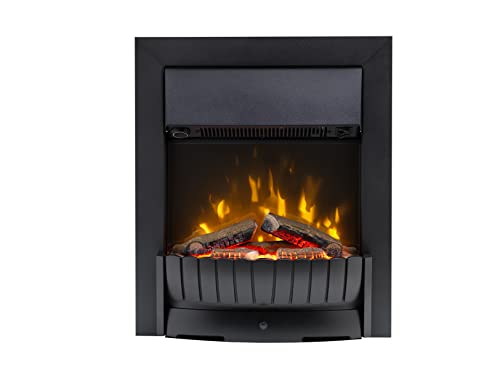 Wood stoves are a cost-effective way to heat your house. They also offer a good alternative to oil or gas, and can be useful during power cuts.
Modern wood stoves are designed to burn fuel efficiently which reduces emissions and prevents the build-up of creosote, a flammable gas. Many are EPA-certified, and Defra exempt.
1. EPA Certification
Wood stoves that have been inspected by the EPA have passed the rigorous emission standards. You can determine if a stove is certified by looking for an DEQ or EPA label on the back. This indicates that the stove has passed particulate emission tests. The label will also indicate the maximum heat output that the stove can generate. This certification is required for all wood-burning stoves.
Before the strict emission guidelines of EPA became effective wood-burning stoves created significantly more pollutants than they do today. The regulations required stoves comply with new guidelines that limit the amount of particles released to a maximum of 4.5 grams per hour. In the end, many manufacturers discovered that it was cost prohibitive to produce non-EPA stoves and went out of business. The few remaining manufacturers that were able meet the strict requirements found that their customers were happy to pay more for a cleaner-burning stove, which would save them money on fuel costs.
EPA-certified stoves employ what is called catalytic combustor. It helps keep the fire burning for longer and start it at a lower temperature than traditional wood stoves. They also come with a blower which blasts hot air into the room for better heating. These types of wood stoves are ideal for those who prefer a contemporary or modern style.
A new report by an environmental group called NESCAUM is calling on the inspector general of the EPA to investigate two departments of the agency that manage the certification process. The group is specifically seeking to look into whether the EPA is frequently using unorthodox burn practices during tests while the instruction manuals of manufacturers recommend an efficient and consistent method of burning wood.
2. Defra Exempt
If you live in a region that is smoke controlled, it is important that your wood-burning stove be exempt from DEFRA. This ensures that you can use wood safely, without violating the law and damaging your chimney and flue system. This will also keep your neighbours happy and stop your stove from turning into the smell of a steamy, smokey brothel.
This budget log burner from Stovax is also Defra exempt and Ecodesign conforms to Ecodesign, meaning that it complies with the European standard for reducing emissions of Particulate Matter, Organic Gaseous Compounds, Carbon Monoxide, Nitrogen Oxides and many more. This is accomplished through a clever trick. By increasing the temperature of the firebox to the top the combustion particles are ignited again and emissions are reduced before they leave.
This means that you can burn softer woods such as spruce, but still enjoy a high fire and a high output of heat. It's also a bit narrow to fit into shallow recesses, making it a great choice for homes with smaller spaces.
The stove offers a clear view of the flame and Cheap Wood Burning Stoves two options for the door - a modern minimalist arch or the Tracery option that has dramatic Gothic arches. The stove's energy efficiency of 79% coupled with a great secondary and primary air control system will help keep your heating bills low while you take pleasure in your new stove.
Wood burning stoves require a bit more hands-on maintenance than gas or electric stoves since you must regularly add logs to the stove and clean the ash tray. Manufacturers have improved their designs in order to make them more stylish and user-friendly. For instance, a lot of wood stoves that are cheap come with detachable ash trays making the task much simpler and cleaner.
3. Energy Efficiency
Wood stoves can be a cost-effective, sustainable way to heat your house. They also offer a traditional style that can add to the appeal of your living area or kitchen. However, when you are shopping for an updated log burner, you will want to ensure that you select one that has a high energy efficiency rating. A stove that is efficient requires less fuel, which will save you time and money. This is particularly important if you live in a region with high heating costs like London.
The EPA White Label is among the best methods to find out if a wood-burning stove is energy efficient. This label will demonstrate that the stove has been tested according to EPA cord wood standards that simulate real-world usage. This will ensure that the stove has low particulate emissions that will help you to cut down the cost of heating.
In addition to the EPA White label, you should look for an appliance that has a high-quality combustion technology. The ideal stove will have a catalytic combustor, which will allow the fire to burn for a longer time and begin the combustion at lower temperatures. This can also reduce the amount soot and combustibles produced by the stove. If they are not removed, this can lead to chimney blockages.
Modern wood stoves are 80pc efficient, which is much higher than an open fire of 30pc or a stove that was built 10 years ago of 60pc. This means that you can feel the heat from your wood stove in just five logs in an hour which is a substantial savings in both money and energy.
4. Durability
If you're searching for a budget wood burning stove or a top quality model you'll want to make sure it's built to last. Most modern designs are crafted with durable, lightweight materials. Many have been tested to EPA's cord wood standard, which is a reflection of the real-world use of homes. The best models have a matte black high-heat paint that not only looks nice, but also helps reduce soot buildup on the glass's front. Many have airwash systems that help to stop the glass clogging up and also keep it clean.
The most recent ecodesign stoves have made great efforts to reduce harmful particulate emissions. You will see a rating of over 80pc, in comparison to an open fire at 30pc, and a stove produced 10 years ago with a 65pc rating. You'll also notice that more efficient stoves require less logs to create the same amount of heat, saving money on fuel and time.
Cheap stoves are an excellent choice for those who do not want to spend an excessive amount of money but still want to create an inviting warm and Cheap Wood Burning Stoves inviting atmosphere within their home. They are very economical, eco-friendly and versatile. They can be used to cook, heat and to create a stunning centerpiece for any room.
It is crucial to evaluate the various options and conduct study before deciding on the stove. You can then choose the one that is most suitable for your requirements. You should be able to locate the stove that is within your budget, comes with all the features you need and is built to endure. Lastly, you should make sure that the stove has been tested according to the EPA's cordwood standard, making sure it is in compliance with the limits for smoke emissions.
5. Heat Output
Wood burning stoves need a bit more care than gas or electric stoves to ensure that they run smoothly. This means you have to monitor the flame and add fuel as required. While this isn't necessarily a problem however, it can be a hassle, and it could take more time to heat your home than an electric or gas stove.
Therefore, it's crucial to choose the model that gives you the most efficient heating performance. Certain models, such as the ones mentioned in this article, have BTU ratings that will help you gauge their power, but it's best to speak to a professional (ideally a HETAS-approved installer) to determine what your specific situation will be.
The material is a different aspect to take into consideration when selecting a wood-burning stove. The stainless steel and iron are the two most common options, but each has distinct advantages and drawbacks. Iron holds heat well and is ideal for rustic or traditional designs, but it's susceptible to corrosion. Stainless steel, on the contrary, is heated quickly and is commonly employed for contemporary styles.
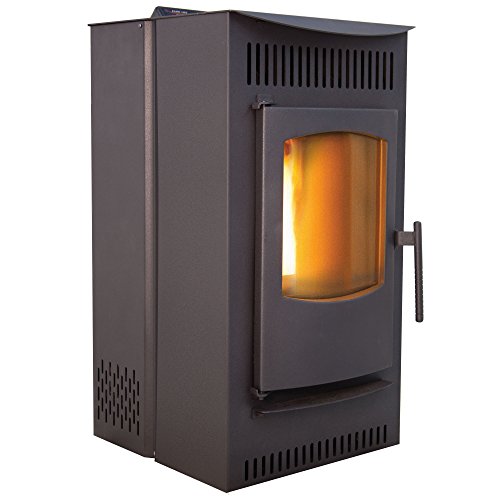 Finally, it's worth looking for a model that complies with the most recent smoke emission limits set by the EPA. These limits were set to protect people from harmful particulate emissions and also to prevent pollutants like carbon monoxide and nitrogen oxides from entering the air. The wood stoves in this guide use catalytic technology. This technology works by re-igniting unburned gases as they are expelled into your chimney. This helps reduce particulate emission and promotes a cleaner more efficient fire. It can also help reduce creosote.
Wood stoves are a cost-effective way to heat your house. They also offer a good alternative to oil or gas, and can be useful during power cuts.Modern wood stoves are designed to burn fuel efficiently which reduces emissions and prevents the build-up of creosote, a flammable gas. Many are EPA-certified, and Defra exempt.
1. EPA Certification
Wood stoves that have been inspected by the EPA have passed the rigorous emission standards. You can determine if a stove is certified by looking for an DEQ or EPA label on the back. This indicates that the stove has passed particulate emission tests. The label will also indicate the maximum heat output that the stove can generate. This certification is required for all wood-burning stoves.
Before the strict emission guidelines of EPA became effective wood-burning stoves created significantly more pollutants than they do today. The regulations required stoves comply with new guidelines that limit the amount of particles released to a maximum of 4.5 grams per hour. In the end, many manufacturers discovered that it was cost prohibitive to produce non-EPA stoves and went out of business. The few remaining manufacturers that were able meet the strict requirements found that their customers were happy to pay more for a cleaner-burning stove, which would save them money on fuel costs.
EPA-certified stoves employ what is called catalytic combustor. It helps keep the fire burning for longer and start it at a lower temperature than traditional wood stoves. They also come with a blower which blasts hot air into the room for better heating. These types of wood stoves are ideal for those who prefer a contemporary or modern style.
A new report by an environmental group called NESCAUM is calling on the inspector general of the EPA to investigate two departments of the agency that manage the certification process. The group is specifically seeking to look into whether the EPA is frequently using unorthodox burn practices during tests while the instruction manuals of manufacturers recommend an efficient and consistent method of burning wood.
2. Defra Exempt
If you live in a region that is smoke controlled, it is important that your wood-burning stove be exempt from DEFRA. This ensures that you can use wood safely, without violating the law and damaging your chimney and flue system. This will also keep your neighbours happy and stop your stove from turning into the smell of a steamy, smokey brothel.
This budget log burner from Stovax is also Defra exempt and Ecodesign conforms to Ecodesign, meaning that it complies with the European standard for reducing emissions of Particulate Matter, Organic Gaseous Compounds, Carbon Monoxide, Nitrogen Oxides and many more. This is accomplished through a clever trick. By increasing the temperature of the firebox to the top the combustion particles are ignited again and emissions are reduced before they leave.
This means that you can burn softer woods such as spruce, but still enjoy a high fire and a high output of heat. It's also a bit narrow to fit into shallow recesses, making it a great choice for homes with smaller spaces.
The stove offers a clear view of the flame and Cheap Wood Burning Stoves two options for the door - a modern minimalist arch or the Tracery option that has dramatic Gothic arches. The stove's energy efficiency of 79% coupled with a great secondary and primary air control system will help keep your heating bills low while you take pleasure in your new stove.
Wood burning stoves require a bit more hands-on maintenance than gas or electric stoves since you must regularly add logs to the stove and clean the ash tray. Manufacturers have improved their designs in order to make them more stylish and user-friendly. For instance, a lot of wood stoves that are cheap come with detachable ash trays making the task much simpler and cleaner.
3. Energy Efficiency
Wood stoves can be a cost-effective, sustainable way to heat your house. They also offer a traditional style that can add to the appeal of your living area or kitchen. However, when you are shopping for an updated log burner, you will want to ensure that you select one that has a high energy efficiency rating. A stove that is efficient requires less fuel, which will save you time and money. This is particularly important if you live in a region with high heating costs like London.
The EPA White Label is among the best methods to find out if a wood-burning stove is energy efficient. This label will demonstrate that the stove has been tested according to EPA cord wood standards that simulate real-world usage. This will ensure that the stove has low particulate emissions that will help you to cut down the cost of heating.
In addition to the EPA White label, you should look for an appliance that has a high-quality combustion technology. The ideal stove will have a catalytic combustor, which will allow the fire to burn for a longer time and begin the combustion at lower temperatures. This can also reduce the amount soot and combustibles produced by the stove. If they are not removed, this can lead to chimney blockages.
Modern wood stoves are 80pc efficient, which is much higher than an open fire of 30pc or a stove that was built 10 years ago of 60pc. This means that you can feel the heat from your wood stove in just five logs in an hour which is a substantial savings in both money and energy.
4. Durability
If you're searching for a budget wood burning stove or a top quality model you'll want to make sure it's built to last. Most modern designs are crafted with durable, lightweight materials. Many have been tested to EPA's cord wood standard, which is a reflection of the real-world use of homes. The best models have a matte black high-heat paint that not only looks nice, but also helps reduce soot buildup on the glass's front. Many have airwash systems that help to stop the glass clogging up and also keep it clean.
The most recent ecodesign stoves have made great efforts to reduce harmful particulate emissions. You will see a rating of over 80pc, in comparison to an open fire at 30pc, and a stove produced 10 years ago with a 65pc rating. You'll also notice that more efficient stoves require less logs to create the same amount of heat, saving money on fuel and time.
Cheap stoves are an excellent choice for those who do not want to spend an excessive amount of money but still want to create an inviting warm and Cheap Wood Burning Stoves inviting atmosphere within their home. They are very economical, eco-friendly and versatile. They can be used to cook, heat and to create a stunning centerpiece for any room.
It is crucial to evaluate the various options and conduct study before deciding on the stove. You can then choose the one that is most suitable for your requirements. You should be able to locate the stove that is within your budget, comes with all the features you need and is built to endure. Lastly, you should make sure that the stove has been tested according to the EPA's cordwood standard, making sure it is in compliance with the limits for smoke emissions.
5. Heat Output
Wood burning stoves need a bit more care than gas or electric stoves to ensure that they run smoothly. This means you have to monitor the flame and add fuel as required. While this isn't necessarily a problem however, it can be a hassle, and it could take more time to heat your home than an electric or gas stove.
Therefore, it's crucial to choose the model that gives you the most efficient heating performance. Certain models, such as the ones mentioned in this article, have BTU ratings that will help you gauge their power, but it's best to speak to a professional (ideally a HETAS-approved installer) to determine what your specific situation will be.
The material is a different aspect to take into consideration when selecting a wood-burning stove. The stainless steel and iron are the two most common options, but each has distinct advantages and drawbacks. Iron holds heat well and is ideal for rustic or traditional designs, but it's susceptible to corrosion. Stainless steel, on the contrary, is heated quickly and is commonly employed for contemporary styles.
Finally, it's worth looking for a model that complies with the most recent smoke emission limits set by the EPA. These limits were set to protect people from harmful particulate emissions and also to prevent pollutants like carbon monoxide and nitrogen oxides from entering the air. The wood stoves in this guide use catalytic technology. This technology works by re-igniting unburned gases as they are expelled into your chimney. This helps reduce particulate emission and promotes a cleaner more efficient fire. It can also help reduce creosote.