


Wood Burning Stoves Near Me
Wood stoves are a low-carbon renewable source of heat that could save money on energy bills. They also assist in active woodland management, which is beneficial to wildlife.
If they are not installed and maintained properly they can produce carbon monoxide, which poses health hazards for the entire family. To avoid this, pick an appliance made of wood that is EPA certified and has modern technology to ensure safe operation.
Catalytic Stoves
A catalytic stove is equipped with a special honeycomb-like catalyst that converts the smoke from wood into carbon dioxide and Wood Burning Stoves Near Me water. This is a great choice for those who want to cut down on indoor air pollution while saving money. They burn more hot and produce less creosote. They consume less multi fuel stoves for sale. They can be more costly to operate than non catalytic models, and require regular maintenance of the combustion chamber.
Wood Stoves that have been certified by the EPA
The EPA requires that wood stoves be constructed in accordance with certain guidelines that reduce their emissions. These guidelines state that a catalytic wood stove must test no higher than 7.5 grams of smoke per hour. This compares to 4.1 g/hr for a non-catalytic stove. It is important to note that lower emissions ratings do not mean more efficient heating.
Sizing and Selection
It is crucial to ensure that your wood stove is sized for the home where it will be installed. The wrong sized stove won't perform as it should and could even overheat. The correct electric stove fireplace size will increase the heat output while cutting emissions. The brochure: Buying an certified wood stove burning stove that is EPA-certified (PDF 530K) is a great method to determine the size and type of the right wood stove.
Non-Catalytical and Catalytic stoves
The first type of wood stove to be produced was the non-catalytic stove. They are also referred to as traditional wood burning stoves or open-fire stoves. The primary benefit of a non-catalytic stove is that it doesn't need an additional combustion in order to reduce emissions. Smoke is the primary source of energy waste. The smoke produced by wood burning stove sale stoves that are not catalytic contain a heavy residue called creosote which is a very toxic substance. The introduction of the catalytic wood stove eliminated these problems. The catalytic stove utilizes catalysts that burn gases in the smoke to remove the toxic creosote.
The catalytic wood burning stove fan burner was designed to lower the emission of toxic gases. However it is less efficient than the secondary combustion system that is used in the non-catalytic model. The catalyst does produce some unhealthy fumes because it doesn't burn completely the wood byproducts that result from burning. In addition the honeycomb structure the catalyst could degrade over time. This could result in a decrease in performance and the need for replacement.
Cleaning the Combustion Chamber Clean
A catalytic combustor functioning properly will appear to be powdery gray. It should be free of soot, ash or any other material that could clog the catalytic surfaces, wood burning Stoves near me and reduce their surface area. The combustor should also not be exposed to flame impingement. This could be caused by a fast, powerful draft pulling flames directly into the catalytic converter. This could also occur if you leave the firebox or ash pan doors open.
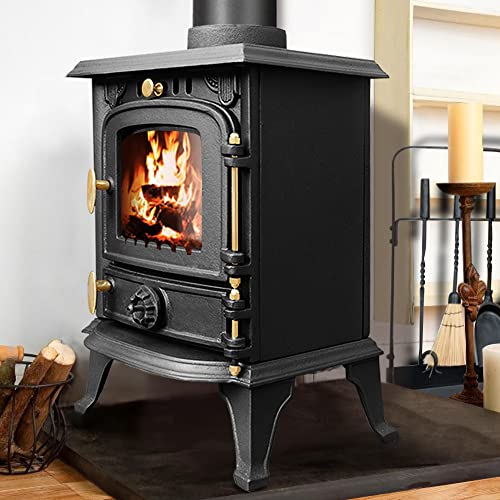 It is essential to check the catalytic combustion chamber regularly for physical damage or a need to replace. If it is damaged or requires replacement, it must be replaced as soon as possible to ensure the stove's optimal performance.
Wood stoves are a low-carbon renewable source of heat that could save money on energy bills. They also assist in active woodland management, which is beneficial to wildlife.
If they are not installed and maintained properly they can produce carbon monoxide, which poses health hazards for the entire family. To avoid this, pick an appliance made of wood that is EPA certified and has modern technology to ensure safe operation.
Catalytic Stoves
A catalytic stove is equipped with a special honeycomb-like catalyst that converts the smoke from wood into carbon dioxide and Wood Burning Stoves Near Me water. This is a great choice for those who want to cut down on indoor air pollution while saving money. They burn more hot and produce less creosote. They consume less multi fuel stoves for sale. They can be more costly to operate than non catalytic models, and require regular maintenance of the combustion chamber.
Wood Stoves that have been certified by the EPA
The EPA requires that wood stoves be constructed in accordance with certain guidelines that reduce their emissions. These guidelines state that a catalytic wood stove must test no higher than 7.5 grams of smoke per hour. This compares to 4.1 g/hr for a non-catalytic stove. It is important to note that lower emissions ratings do not mean more efficient heating.
Sizing and Selection
It is crucial to ensure that your wood stove is sized for the home where it will be installed. The wrong sized stove won't perform as it should and could even overheat. The correct electric stove fireplace size will increase the heat output while cutting emissions. The brochure: Buying an certified wood stove burning stove that is EPA-certified (PDF 530K) is a great method to determine the size and type of the right wood stove.
Non-Catalytical and Catalytic stoves
The first type of wood stove to be produced was the non-catalytic stove. They are also referred to as traditional wood burning stoves or open-fire stoves. The primary benefit of a non-catalytic stove is that it doesn't need an additional combustion in order to reduce emissions. Smoke is the primary source of energy waste. The smoke produced by wood burning stove sale stoves that are not catalytic contain a heavy residue called creosote which is a very toxic substance. The introduction of the catalytic wood stove eliminated these problems. The catalytic stove utilizes catalysts that burn gases in the smoke to remove the toxic creosote.
The catalytic wood burning stove fan burner was designed to lower the emission of toxic gases. However it is less efficient than the secondary combustion system that is used in the non-catalytic model. The catalyst does produce some unhealthy fumes because it doesn't burn completely the wood byproducts that result from burning. In addition the honeycomb structure the catalyst could degrade over time. This could result in a decrease in performance and the need for replacement.
Cleaning the Combustion Chamber Clean
A catalytic combustor functioning properly will appear to be powdery gray. It should be free of soot, ash or any other material that could clog the catalytic surfaces, wood burning Stoves near me and reduce their surface area. The combustor should also not be exposed to flame impingement. This could be caused by a fast, powerful draft pulling flames directly into the catalytic converter. This could also occur if you leave the firebox or ash pan doors open.
It is essential to check the catalytic combustion chamber regularly for physical damage or a need to replace. If it is damaged or requires replacement, it must be replaced as soon as possible to ensure the stove's optimal performance.