


fresh roasted coffee beans uk (Recommended Studying) Roasted Arabica Coffee Beans
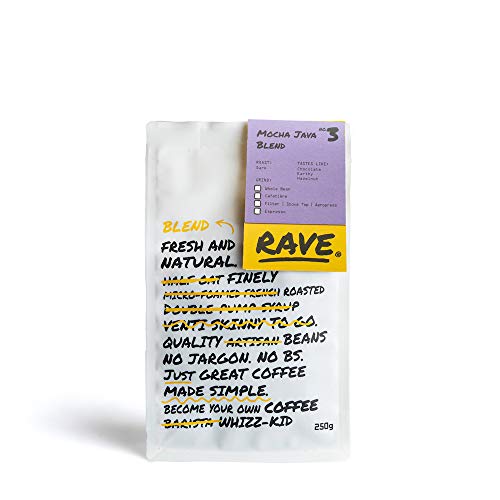 buy freshly roasted coffee beans online roasted arabica coffee beans are alive and full of delicious flavors. As time passes, these vibrant aromas disappear and the coffee turns dull and boring.
These premium coffee beans are from the top regions for coffee production in the world and are grown organically, without harmful pesticides or chemical. The result is delicious, palatable gourmet coffee!
Light Roast
Light roast coffee beans are not as processed and retain more of their natural flavors, including floral fruity, herbal and floral. The shorter roasting duration also implies that acidity is less, so the coffee has a more smooth mouthfeel than roasts with darker colors.
The coffee it produces can taste sweet, delicate and may have hints of citrus, peach, or even berry. Pour over brewing the roast to result in a more sweet coffee because the longer brewing time allows the coffee to grow complex sugars.
A light roast is great for those who are brand new to coffee, or those who just prefer a clean tasting cup. It can be served with non-dairy or cream or even on its own. Some are even known to use a filtered water dripper to brew their coffee since it will bring out more nuanced flavors than other methods.
The medium-dark range of roast beans are removed from the roasting process prior to or shortly after the first crack, which happens when beans begin to expand and emit a sound of popping. As the beans continue to expand, they turn a deeper brown color and develop more of an oily surface. This type of roasting typically results in a lower amount of acidity and a richer tasting, diner-style coffee. This range is characterized by a variety of flavors, including caramel, chocolate, and a subtle hint spice.
Dark roast coffee is typically believed to contain more caffeine than lighter roasts, but that's not always the case. The amount of caffeine contained in espresso depends on several factors, such as whether you measure by volume (scoops) or weight, or both, the type of beans used, and the method of brewing. In fact, 5 scoops of a light roast may have more caffeine than the same amount of a dark roast because of different measurement methods. Dark roasts usually have less caffeine than light roasts. This is because dark roasts can be made using the same beans as a light roast, and the difference is due to the roasting process.
Medium Roast
Medium roasts are an excellent balance of light and dark, since it allows the rich flavors of the coffee beans to shine with an even, balanced tone. A medium roast that is good often described by experienced drinkers as sweet, with hints of caramel and brown sugar, nutty with notes of cashews, almonds, or peanut butter, and fruity, with citrus and berries. It also has an almost tea-like mouthfeel, and a delicate acidity, depending on the bean and brewing method.
The first step to getting the beans ready for medium roasting is drying them. This helps remove any moisture that may remain in the green state. Then they begin to warm up and develop a richer, darker color. This is the point in which they begin to crack and make an enjoyable sound that occurs when the proteins in the beans break down and allow the sugars to caramelize. The actual roasting process begins at this point, as the coffee aromas intensify and other flavors begin to emerge.
Medium roasts are ideal for Arabica beans that have been processed using an organic or dry process. This type of processing is known for its fruity and earthy flavours to the beans. Wet or washed coffee beans on the other hand are known for their more refined and cleaner tastes.
If you're looking for a cup of traditional diner coffee, you should choose an arabica bean that is freshly roasted to a darker roast. These beans are usually roasted until they have a dark brown color and an oily surface. Their low acidity profile is characterized by deep, sweet tastes that are reminiscent to traditional black coffee.
Dark roasted arabica beans can be enjoyed using almost every brewing method, including drip coffees, pour-overs or espresso. The way you prepare coffee will alter the flavor. Certain methods bring out the more intense flavor of the beans. Pour-overs can produce an incredibly smooth and clean taste and espressos will offer strong coffee flavor with a rich top layer of crema.
Dark Roast
Dark roasted arabica beans are great for those who prefer a stronger, richer coffee. Dark roasts are distinguished by their dark brown color Fresh Roasted coffee beans uk and oily surfaces and feature a heavy body, low acidity and deep flavor notes like bittersweet chocolate and hints of spice. These types of gourmet coffees can be enjoyed in different brewing methods, including pour-over (which involves slowly pouring hot water over ground beans in a filter) drip, as well as espresso, which utilizes high pressure to create the most concentrated cup of coffee with signature crema on top.
During the roasting process beans are heated until they reach their first crack, which signifies the beginning of the development of new oils in the bean. When a coffee is dark roasted the oils are drained out and turn shiny and shiny on the surface, which helps to contribute to the coffee's body being heavy and low acidity. When brewed, the coffee offers a variety of flavors, including cocoa, nuts, spices, and fruit such as citrus fruit, berries, and fresh roast coffee beans near me apples.
Like light roasted coffee dark roasts can be prepared by brewing using a variety of techniques. The most popular method however, is the French press. This produces a richer tasting cup by pressing hot coffee beans through a metal strainer. This method can also be used to make cold brew, which is a delicious way to experience the distinctive flavors of arabica beans.
When choosing a dark roast, it's important to consider the source and the growing regions of the beans, as well as the roasting technique. Although it's easy to assume that darker roasts have more caffeine, the amount you get in cups is determined by the proportion of beans and water and not roasting.
It is worth trying different varieties of Arabica coffee to determine which one is best for you. The flavor of a darker roast may be less complex than a lighter roast, however both offer the same health benefits.
Specialty Roast
The roasting process plays a vital role in the production of specialty coffee. It affects not only the flavor of the beans that are roasted but also the bioactive compounds that are beneficial to health (Laukaleja and Kruma, 2018). The process of roasting aims to achieve an ideal ratio between the delicious aroma of specialty coffee and bioactive compounds that are beneficial. The optimum ratio can be difficult to determine since the quality of coffee is dependent on a variety of factors like the kind of bean utilized, the growing conditions and the processing method.
Arabica beans are unique in their taste profile, and they have a variety of notes from floral to citrus to chocolatey. The beans are bred to be versatility and their distinctive qualities are enhanced by the environment that they are grown in. They can also create a variety of flavors and aftertastes as a result of their delicate structure and processing methods.
Because of this the arabica beans are typically blended with other coffee beans to produce a consistent and balanced flavor. Blending is a decision made by roasters who take into consideration the origin, altitude and processing method for each bean when determining their ideal blend.
The most delicious arabica beans are grown at higher altitudes and latitudes so that they can withstand the harsh conditions of these regions. These climate-appropriate coffee beans are also able to grow at a slower pace, allowing them to retain their rich aromas and flavors.
Coffee buyers are increasingly focusing on the source of their green coffee purchases. Instead of buying from generic sources, they are seeking out farms and farmers who are ethically-minded and have a sustainable goal. Although this isn't easy to find in supermarkets that typically source their food from multinational corporations independent coffee shops are doing their part by promoting small, family-owned farms.
The arabica beans' name suggests that they're the "Beyonces" of coffee, and are adored for their smooth taste and performance. Although they're more expensive than other varieties of beans, they're an excellent choice for coffee lovers who want to enjoy high-quality coffee that isn't diluted or overshadowed by lesser quality varieties.
buy freshly roasted coffee beans online roasted arabica coffee beans are alive and full of delicious flavors. As time passes, these vibrant aromas disappear and the coffee turns dull and boring.These premium coffee beans are from the top regions for coffee production in the world and are grown organically, without harmful pesticides or chemical. The result is delicious, palatable gourmet coffee!
Light Roast
Light roast coffee beans are not as processed and retain more of their natural flavors, including floral fruity, herbal and floral. The shorter roasting duration also implies that acidity is less, so the coffee has a more smooth mouthfeel than roasts with darker colors.
The coffee it produces can taste sweet, delicate and may have hints of citrus, peach, or even berry. Pour over brewing the roast to result in a more sweet coffee because the longer brewing time allows the coffee to grow complex sugars.
A light roast is great for those who are brand new to coffee, or those who just prefer a clean tasting cup. It can be served with non-dairy or cream or even on its own. Some are even known to use a filtered water dripper to brew their coffee since it will bring out more nuanced flavors than other methods.
The medium-dark range of roast beans are removed from the roasting process prior to or shortly after the first crack, which happens when beans begin to expand and emit a sound of popping. As the beans continue to expand, they turn a deeper brown color and develop more of an oily surface. This type of roasting typically results in a lower amount of acidity and a richer tasting, diner-style coffee. This range is characterized by a variety of flavors, including caramel, chocolate, and a subtle hint spice.
Dark roast coffee is typically believed to contain more caffeine than lighter roasts, but that's not always the case. The amount of caffeine contained in espresso depends on several factors, such as whether you measure by volume (scoops) or weight, or both, the type of beans used, and the method of brewing. In fact, 5 scoops of a light roast may have more caffeine than the same amount of a dark roast because of different measurement methods. Dark roasts usually have less caffeine than light roasts. This is because dark roasts can be made using the same beans as a light roast, and the difference is due to the roasting process.
Medium Roast
Medium roasts are an excellent balance of light and dark, since it allows the rich flavors of the coffee beans to shine with an even, balanced tone. A medium roast that is good often described by experienced drinkers as sweet, with hints of caramel and brown sugar, nutty with notes of cashews, almonds, or peanut butter, and fruity, with citrus and berries. It also has an almost tea-like mouthfeel, and a delicate acidity, depending on the bean and brewing method.
The first step to getting the beans ready for medium roasting is drying them. This helps remove any moisture that may remain in the green state. Then they begin to warm up and develop a richer, darker color. This is the point in which they begin to crack and make an enjoyable sound that occurs when the proteins in the beans break down and allow the sugars to caramelize. The actual roasting process begins at this point, as the coffee aromas intensify and other flavors begin to emerge.
Medium roasts are ideal for Arabica beans that have been processed using an organic or dry process. This type of processing is known for its fruity and earthy flavours to the beans. Wet or washed coffee beans on the other hand are known for their more refined and cleaner tastes.
If you're looking for a cup of traditional diner coffee, you should choose an arabica bean that is freshly roasted to a darker roast. These beans are usually roasted until they have a dark brown color and an oily surface. Their low acidity profile is characterized by deep, sweet tastes that are reminiscent to traditional black coffee.
Dark roasted arabica beans can be enjoyed using almost every brewing method, including drip coffees, pour-overs or espresso. The way you prepare coffee will alter the flavor. Certain methods bring out the more intense flavor of the beans. Pour-overs can produce an incredibly smooth and clean taste and espressos will offer strong coffee flavor with a rich top layer of crema.
Dark Roast
Dark roasted arabica beans are great for those who prefer a stronger, richer coffee. Dark roasts are distinguished by their dark brown color Fresh Roasted coffee beans uk and oily surfaces and feature a heavy body, low acidity and deep flavor notes like bittersweet chocolate and hints of spice. These types of gourmet coffees can be enjoyed in different brewing methods, including pour-over (which involves slowly pouring hot water over ground beans in a filter) drip, as well as espresso, which utilizes high pressure to create the most concentrated cup of coffee with signature crema on top.
During the roasting process beans are heated until they reach their first crack, which signifies the beginning of the development of new oils in the bean. When a coffee is dark roasted the oils are drained out and turn shiny and shiny on the surface, which helps to contribute to the coffee's body being heavy and low acidity. When brewed, the coffee offers a variety of flavors, including cocoa, nuts, spices, and fruit such as citrus fruit, berries, and fresh roast coffee beans near me apples.
Like light roasted coffee dark roasts can be prepared by brewing using a variety of techniques. The most popular method however, is the French press. This produces a richer tasting cup by pressing hot coffee beans through a metal strainer. This method can also be used to make cold brew, which is a delicious way to experience the distinctive flavors of arabica beans.
When choosing a dark roast, it's important to consider the source and the growing regions of the beans, as well as the roasting technique. Although it's easy to assume that darker roasts have more caffeine, the amount you get in cups is determined by the proportion of beans and water and not roasting.
It is worth trying different varieties of Arabica coffee to determine which one is best for you. The flavor of a darker roast may be less complex than a lighter roast, however both offer the same health benefits.
Specialty Roast
The roasting process plays a vital role in the production of specialty coffee. It affects not only the flavor of the beans that are roasted but also the bioactive compounds that are beneficial to health (Laukaleja and Kruma, 2018). The process of roasting aims to achieve an ideal ratio between the delicious aroma of specialty coffee and bioactive compounds that are beneficial. The optimum ratio can be difficult to determine since the quality of coffee is dependent on a variety of factors like the kind of bean utilized, the growing conditions and the processing method.
Arabica beans are unique in their taste profile, and they have a variety of notes from floral to citrus to chocolatey. The beans are bred to be versatility and their distinctive qualities are enhanced by the environment that they are grown in. They can also create a variety of flavors and aftertastes as a result of their delicate structure and processing methods.
Because of this the arabica beans are typically blended with other coffee beans to produce a consistent and balanced flavor. Blending is a decision made by roasters who take into consideration the origin, altitude and processing method for each bean when determining their ideal blend.
The most delicious arabica beans are grown at higher altitudes and latitudes so that they can withstand the harsh conditions of these regions. These climate-appropriate coffee beans are also able to grow at a slower pace, allowing them to retain their rich aromas and flavors.
Coffee buyers are increasingly focusing on the source of their green coffee purchases. Instead of buying from generic sources, they are seeking out farms and farmers who are ethically-minded and have a sustainable goal. Although this isn't easy to find in supermarkets that typically source their food from multinational corporations independent coffee shops are doing their part by promoting small, family-owned farms.
The arabica beans' name suggests that they're the "Beyonces" of coffee, and are adored for their smooth taste and performance. Although they're more expensive than other varieties of beans, they're an excellent choice for coffee lovers who want to enjoy high-quality coffee that isn't diluted or overshadowed by lesser quality varieties.