


The Evolution of the renault megane key card replacement cost clio car key [inmasco.co.Kr] Key Card
The hands-free cards are a crucial part of any renault replacement key car. It's as big as a credit card that is standard and comes with a variety of buttons that control the car.
 It was initially viewed as a gadget worthy of 007, this small object - barely larger than a credit card is one of the most innovative Renault innovations. It has changed the way we use cars.
Hands-free Card: A Short Background
Like many other inventions that have altered the way that people use cars, the hands-free card was created as a solution to a specific problem. In this instance it was that once a driver gets into their vehicle, they need to hit the door handle in order to unlock the doors. This was irritating and often caused people to miss their car, or even worse it caused them to lock themselves out!
So, in order to resolve this problem, the product manager of Laguna II, Bernard Dumondel came up with an idea. He realized that the key card could be used to activate a variety of functions and decided that the hands-free function would be the most practical.
The first hand-free cards were small and were simple in appearance - simple plastic cases that housed an electronic core programmed to continuously "communicate" with the vehicle it was paired with. When the card gets close to the vehicle, it broadcasts a radio signal with an access code. The car recognized this and if it was right it unlocked the doors.
The card was also equipped with a micro-transmitter which allowed users to turn on the lights and horn remotely. This is useful for emergencies or to draw attention when the vehicle is parked in a way that is illegally. They also had a button that enabled the owner to start the engine.
The evolution of the Hands-Free Card
In the 20 years since its creation the hands-free cards have changed continuously in terms of appearance and, more importantly the technology inside. It has reached the point where it can be considered as a sort of car passport', thanks to its capacity to save crucial information about the vehicle: its serial number and registration, as well as information about the owner, their equipment, mileage and even tire pressure.
The hands-free card that is hidden behind a minimalist plastic case, is programmed continuously "communicate" with the car with which it is paired. It sends a radio signal to the car, which confirms that it is authentic and then opens the doors. This process takes less than 80 microseconds, which is a fraction of a blink of an eye.
Once the card is in your pocket, you can use it to remotely activate your car's security systems:
For instance, pressing button 4 turns to turn on your dipped headlights and interior lighting. This is useful if you have to leave your vehicle in the dark or when you are parked on an unfamiliar street. The dipped beam also help you identify your car from a distance if you are parked in a parking area. The battery in your hand-free card needs to be replaced once it runs out (see the section titled 'Related Products'). Keep the card clear of metal objects as this could cause it to malfunction.
The Evolution of the Smart Access Card
Since their introduction, hand-free cards have developed to meet the demands of users. From Magstripe to Prox the smart access card has become more sophisticated and gyocharobro.com offers increased capabilities. The design of the key card has also been modified to accommodate smart cards.
Modern smart cards have an embedded microprocessor that allows them to perform a range of functions. For instance, it can store security codes and decrypt data. These features offer greater security and make it simpler to use. It is also able to purchase items on the Internet that allows users to take advantage of the convenience of shopping online without having to worry about their personal information or financial account numbers.
Compared to Magstripe and Prox, smart cards are more secure. Smart cards don't require the swipe of a card to activate them. They also offer more accurate reading than traditional proximity cards. These features lower the cost of maintenance and boost efficiency for both the administrator and the user. There are many aspects to take into consideration when deciding whether not to upgrade your system to a smartcard, including cost, convenience, and security.
The smart card of the Renault Captur allows you to unlock the car's doors as well as activate the rearview camera, and start its engine. It can even be used to control the lighting and locate the car in a crowded parking lot.
The Evolution of the Keyless Entry System
Keyless entry systems are becoming more sophisticated with time. The cost of integrating this technology into cars has also gone down. They can opt to add keyless entry systems to their vehicles or buy them.
The first keyless entry system was invented by Valeo in 1982. It was referred to as "practical cards". It functioned similarly to a remote control, allowing users to lock and unlock their cars by pressing the button on the card or door handle. This was a huge improvement in terms of convenience for car owners, as they no longer had to carry around a physical key.
In commercial buildings keyless entry systems are also utilized to safeguard sensitive data. Instead of traditional locks, employees simply scan a badge or type into a code to gain access to the building. This technology also helps in preventing theft by logging who is in and out at all times.
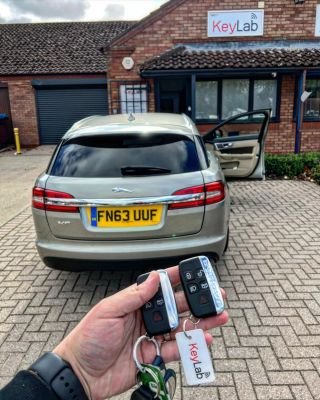 For rental properties keyless entry systems are an excellent option to improve security. Tenants will often put a spare replacement key for renault trafic van away outside the property. This poses a security risk for landlords, since burglars are aware of the practice and are able to easily find the spare key. Keyless entry systems permit tenants to be notified when they leave and enter the property. They can also be deactivated if someone attempts to enter the property without authorization.
The hands-free cards are a crucial part of any renault replacement key car. It's as big as a credit card that is standard and comes with a variety of buttons that control the car.
It was initially viewed as a gadget worthy of 007, this small object - barely larger than a credit card is one of the most innovative Renault innovations. It has changed the way we use cars.Hands-free Card: A Short Background
Like many other inventions that have altered the way that people use cars, the hands-free card was created as a solution to a specific problem. In this instance it was that once a driver gets into their vehicle, they need to hit the door handle in order to unlock the doors. This was irritating and often caused people to miss their car, or even worse it caused them to lock themselves out!
So, in order to resolve this problem, the product manager of Laguna II, Bernard Dumondel came up with an idea. He realized that the key card could be used to activate a variety of functions and decided that the hands-free function would be the most practical.
The first hand-free cards were small and were simple in appearance - simple plastic cases that housed an electronic core programmed to continuously "communicate" with the vehicle it was paired with. When the card gets close to the vehicle, it broadcasts a radio signal with an access code. The car recognized this and if it was right it unlocked the doors.
The card was also equipped with a micro-transmitter which allowed users to turn on the lights and horn remotely. This is useful for emergencies or to draw attention when the vehicle is parked in a way that is illegally. They also had a button that enabled the owner to start the engine.
The evolution of the Hands-Free Card
In the 20 years since its creation the hands-free cards have changed continuously in terms of appearance and, more importantly the technology inside. It has reached the point where it can be considered as a sort of car passport', thanks to its capacity to save crucial information about the vehicle: its serial number and registration, as well as information about the owner, their equipment, mileage and even tire pressure.
The hands-free card that is hidden behind a minimalist plastic case, is programmed continuously "communicate" with the car with which it is paired. It sends a radio signal to the car, which confirms that it is authentic and then opens the doors. This process takes less than 80 microseconds, which is a fraction of a blink of an eye.
Once the card is in your pocket, you can use it to remotely activate your car's security systems:
For instance, pressing button 4 turns to turn on your dipped headlights and interior lighting. This is useful if you have to leave your vehicle in the dark or when you are parked on an unfamiliar street. The dipped beam also help you identify your car from a distance if you are parked in a parking area. The battery in your hand-free card needs to be replaced once it runs out (see the section titled 'Related Products'). Keep the card clear of metal objects as this could cause it to malfunction.
The Evolution of the Smart Access Card
Since their introduction, hand-free cards have developed to meet the demands of users. From Magstripe to Prox the smart access card has become more sophisticated and gyocharobro.com offers increased capabilities. The design of the key card has also been modified to accommodate smart cards.
Modern smart cards have an embedded microprocessor that allows them to perform a range of functions. For instance, it can store security codes and decrypt data. These features offer greater security and make it simpler to use. It is also able to purchase items on the Internet that allows users to take advantage of the convenience of shopping online without having to worry about their personal information or financial account numbers.
Compared to Magstripe and Prox, smart cards are more secure. Smart cards don't require the swipe of a card to activate them. They also offer more accurate reading than traditional proximity cards. These features lower the cost of maintenance and boost efficiency for both the administrator and the user. There are many aspects to take into consideration when deciding whether not to upgrade your system to a smartcard, including cost, convenience, and security.
The smart card of the Renault Captur allows you to unlock the car's doors as well as activate the rearview camera, and start its engine. It can even be used to control the lighting and locate the car in a crowded parking lot.
The Evolution of the Keyless Entry System
Keyless entry systems are becoming more sophisticated with time. The cost of integrating this technology into cars has also gone down. They can opt to add keyless entry systems to their vehicles or buy them.
The first keyless entry system was invented by Valeo in 1982. It was referred to as "practical cards". It functioned similarly to a remote control, allowing users to lock and unlock their cars by pressing the button on the card or door handle. This was a huge improvement in terms of convenience for car owners, as they no longer had to carry around a physical key.
In commercial buildings keyless entry systems are also utilized to safeguard sensitive data. Instead of traditional locks, employees simply scan a badge or type into a code to gain access to the building. This technology also helps in preventing theft by logging who is in and out at all times.
For rental properties keyless entry systems are an excellent option to improve security. Tenants will often put a spare replacement key for renault trafic van away outside the property. This poses a security risk for landlords, since burglars are aware of the practice and are able to easily find the spare key. Keyless entry systems permit tenants to be notified when they leave and enter the property. They can also be deactivated if someone attempts to enter the property without authorization.